
The Greenland Crisis: Explained
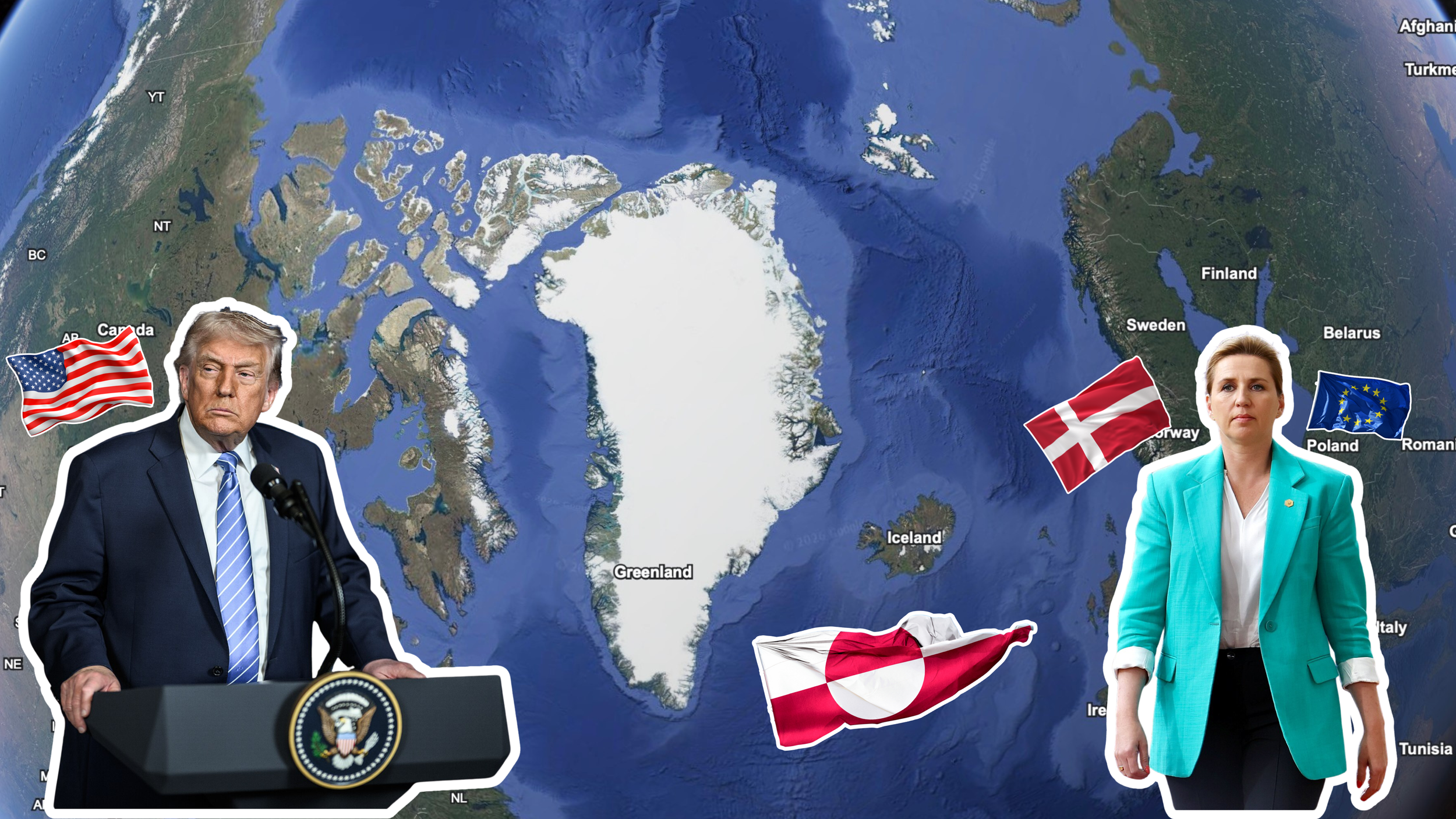
US President Donald Trump has escalated threats to take the island by military force if necessary, with the fallout prompting questions for the future of the rules based order | Wikipedia Commons.
Over the past few weeks, United States President Donald Trump has re-escalated threats to take control of the island of Greenland, a self-governing territory of Denmark, triggering what many experts fear is a showdown between America and Europe.
The most recent escalations include the United States imposing additional 10 per cent tariffs on European Nations sending military forces to Greenland as a symbolic show of solidarity with Denmark.
The Trump administration insists that if the United States does not acquire the island, it would fall to enemy nations such as Russia or China, with President Trump suggesting America needs access to its immense natural resource wealth.
“If we don’t do it, Russia or China will take over Greenland. And we’re not going to have Russia or China as a neighbour,” Mr Trump said during a White House meeting earlier in January.
However, European allies remain resolute, threatening to impose a “trade bazooka” on the United States, with French President Emmanuel Macron suggesting Europe could send security ties with America.
AN ARCTIC ISLAND RICH IN RESOURCES
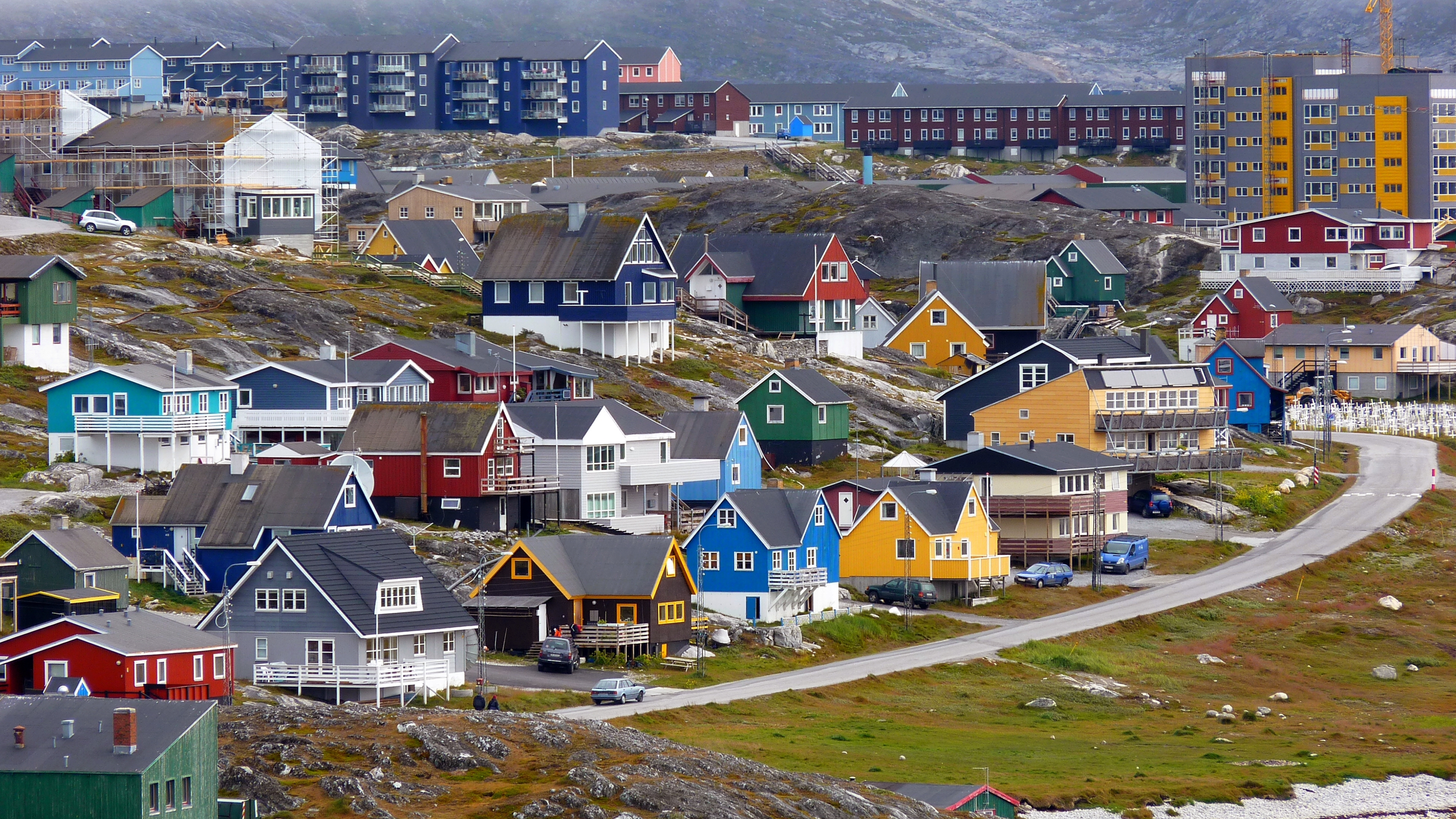
Nuuk, the Capital of Greenland | Image Credit: Wikipedia Commons, Pateno..
At about 2.2 million sq km, Greenland is the world’s largest island, roughly the same size as Western Australia, whilst also being the most sparsely populated global territory with a population of only 56,000 people – mostly indigenous Inuit people.
Greenland was colonised by Denmark during Danish-Norwegian colonial campaigns in the 18th century, having historically been the centre of Viking settlements, with formal recognition under international law following the Congress of Vienna in 1815.
Its positioning between North America and the Arctic has made it a key security location, having stationed ten thousand allied troops in World War Two and serving as an early warning system for nuclear weapons during the Cold War.
However, since the end of the Cold War, the United States has withdrawn its military presence in Greenland, now only operating the Pituffik Space Base, which serves as a centre for missile monitoring and space activity.
80 per cent of Greenland is covered by ice, meaning most of its people live in the south-western coast capital, Nuuk, with the Greenland economy dependent on fishing and subsidies from the Danish government.
In recent years, there has been renewed attention, including by the Trump Administration in 2024, to Greenland’s immense natural resource wealth, including rare earth minerals, uranium and iron, and oil and gas reserves, which the administration hopes to tap as the Arctic ice sheet thaws out from climate change.
Speaking to the ABC, Dr Elizabeth Buchanan, Senior Fellow for the Australian Strategic Policy Institute specialising in polar strategy, said expanding global trade in the Northern Hemisphere was turning Greenland into a new ‘global choke point’.
Strategic policy experts believe there is a ‘strategic risk’ of China dominating maritime trade points across the region, which would impact US hegemony in the region.
TRUMP’S THREATS OF MILITARY ACTION
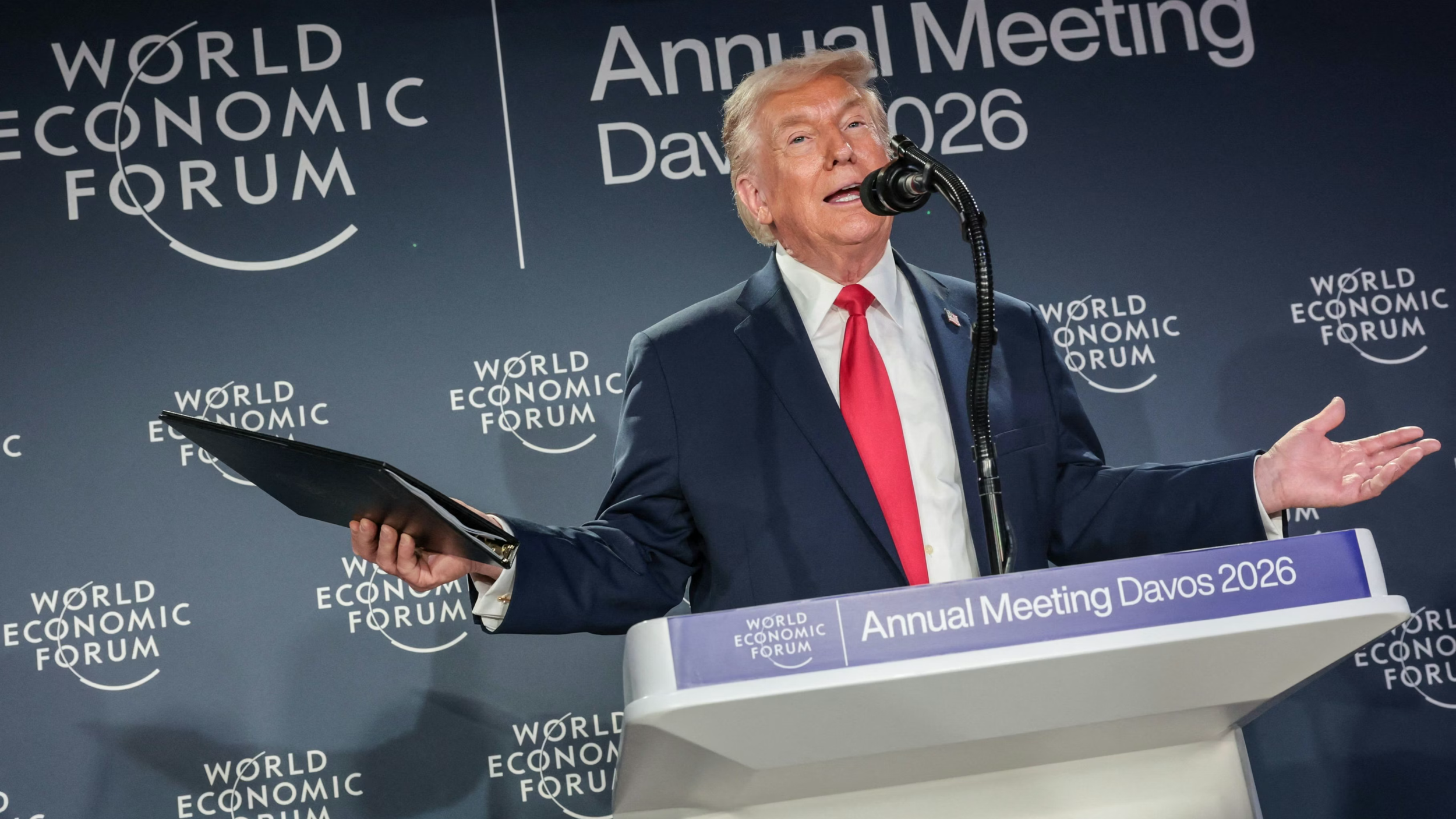
US President Donald Trump speaking at the World Economic Forum as European leaders as pressure mounts over Greenland | Image Credit: Heute.
Since Donald Trump’s inauguration in January 2025, he and other members of the Trump Administration have repeatedly expanded the definition of “America First” to include American expansionism into places such as Canada, Mexico and Greenland.
In December 2025, the United States Department of Defence released its national security strategy, emphasising a shift from global to hemispheric defence of the Americas from enemies of the United States.
Strategic policy experts cite the recent American military action in Venezuela, a major trader of oil with China, to seize control of its oil reserves as an example of America asserting control over the Americas – which includes Greenland.
Despite the Administration’s intention to purchase the territory of Greenland, an issue itself complicated as it requires approval of both the Greenlandic and Danish Parliaments, Trump has failed to unequivocally rule out military force.
Norwegian Prime Minister Jonas Gahr Støre leaked text messages on 19 January, where Trump also linked the pursuit of Greenland to his failure to win the Nobel Peace Prize, a matter outside the Norwegian government’s control.
“Considering your Country decided not to give me the Nobel Peace Prize for having stopped 8 Wars PLUS, I no longer feel an obligation to think purely of Peace.”
Asked by American media outlet NBC News in a brief telephone interview the same day whether he would use military force to seize Greenland, President Trump said “no comment”.
EUROPE’S RESPONSE AND FUTURE
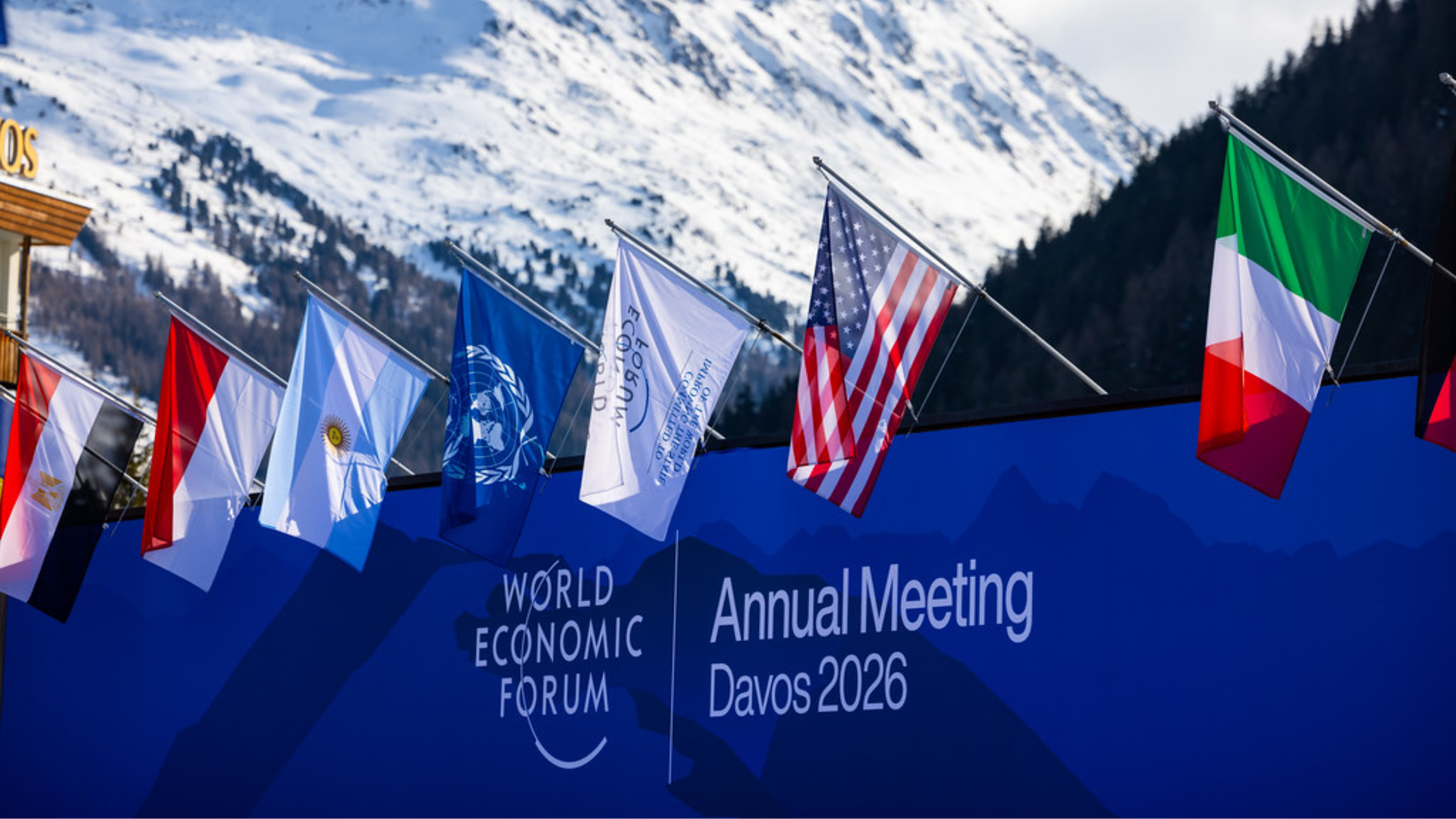
European leaders are scrambling to respond to threats from the west and east | Image Credit: Flicker, World Economic Forum.
European leaders have remained defiant to “threats” from the United States to take control of Greenland, arguing international law in the region must be respected and the future of Greenland “belongs to its people”.
During day one of the World Economic Forum, Davos, leaders across the continent lined up to decry what they called a “new colonialism” and what they viewed as the United States attempting to make Europe "weak and subordinate”.
This was also in response to additional ten per cent tariffs placed on 10 European countries, including Denmark, France, Germany, and the United Kingdom, who provided a small military force to Greenland as a symbolic show of force.
French President Emmanuel Macron even suggested that the European Union impose uniform trade sanctions on the United States in response to these tariffs – the “trade bazooka” – however, many experts believe this would hurt Europe more than America.
Instead, European leaders have made it clear that the future of the North Atlantic Treaty Organisation (NATO), or the Western Alliance, will collapse in the event of American aggression, with Denmark suggesting its soldiers would fight American soldiers.
However, following speaking at the World Economic Forum on 22 January, President Trump made a head-spinning U-turn, saying the United States had a “framework” for a future deal with NATO over Greenland and would no longer impose tariffs or pursue military action for now.
Despite it all, many experts believe this is another sign of the decline of the rules-based order under Trump’s second presidency.