
The Many Themes and Inspirations of the Moomins - Part Two: Queer Theme
Last week we introduced you to the world of the Moomins and how they were initially shaped by author Tove Jansson’s experience during World War II. This week, we dive further into the Moomin novels, this time taking a look at how Jansson’s queer identity influenced the characters of Moominvalley.
This article is the second of three that will take a brief look at these key themes that inform the Moomin novels and how Jansson expresses real-world issues in this quaint fantasy world.
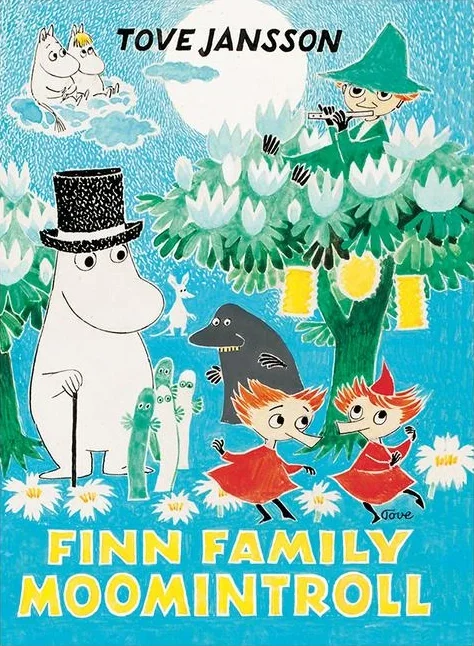
Finn Family Moomintroll (1948)
Finn Family Moomintroll was the first Moomin book to be published in English and was most English-speaking people’s introduction to the series, hence its simple title. This adventure further expands the colourful cast of characters that make up Moominvalley, including the mysterious Hobgoblin, the fearsome and lonely Groke, and the queer-coded Thingumy and Bob.
Thingumy and Bob are two small creatures whose genders are never mentioned. They are a couple who speak in their own little language and are often seen holding hands. They also carry around a “big secret” in the form of a suitcase that holds a gorgeous red ruby that they are hiding from the Groke.
The pair are based on Tove Jansson herself and her first love with a woman, Vivica Bandler. The language that Thingumy and Bob speak uses the same wording that Tove and Vivica used in their private letters to each other. The language represents their connection - they are the only ones who understand each other, and that’s all that matters to them. The ruby also represents the “big secret” that was Jansson’s queer identity at a time when she could not be publicly out. While her relationship with Vivica did not work out, the two remained lifelong friends.
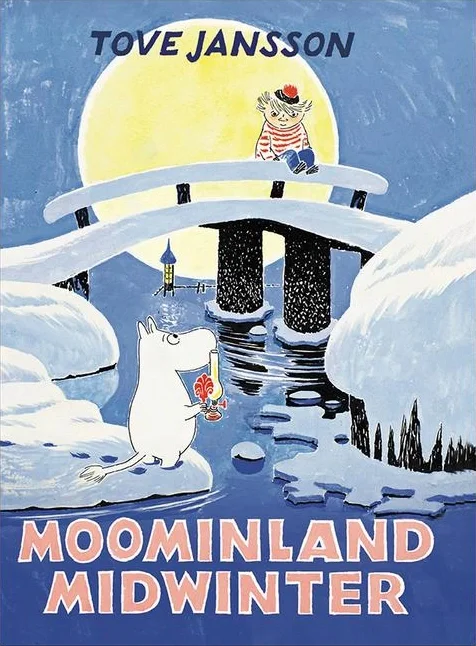
Moominland Midwinter (1957)
The Moomins hibernate in their house in Moominvalley each winter, but in Moominland Midwinter, Moomintroll wakes up early. Unable to fall back asleep or wake up his parents, Moomintroll ventures out into the icy unknown. The world that greets him is intimidating. He has never seen snow before, and there are a colourful variety of animals and characters that he has never had the opportunity to meet.
One of these characters is Too-ticky, named after and inspired by Tove Jansson’s lover Tuulikki Pietelä. Tove met Tuulikki a decade after Vivica in 1955, and the two became lovers for the rest of their lives. They lived together on their own small island of Klovharu, where they worked in separate studios on their art. Their meeting came at an important part in Jansson’s life, when the Moomins were becoming more popular by the day, overwhelming the author. As Tuulikki helped Tove through this difficult time, Too-ticky helps Moomintroll navigate the harsh winter by his side.
The winter setting also has a possible reading for queer safe spaces, as this is the only time of year when certain animals come out to play. Jansson writes in an oft-quoted passage from the book: “There are such a lot of things that have no place in summer and autumn and spring. Everything that’s a little shy and a little rum. Some kinds of night animals and people that don’t fit in with others and that nobody really believes in. They keep out of the way all the year. And then when everything’s quiet and white and the nights are long and most people are asleep – then they appear.”
While only used in metaphors, queerness is an element that populates the Moomin books and defines them. It invites the readers into a safe space and secret connection.
Coming next week: complex family bonds and bittersweet loss.