
The Next Generation: Interview with Senator Charlotte Walker
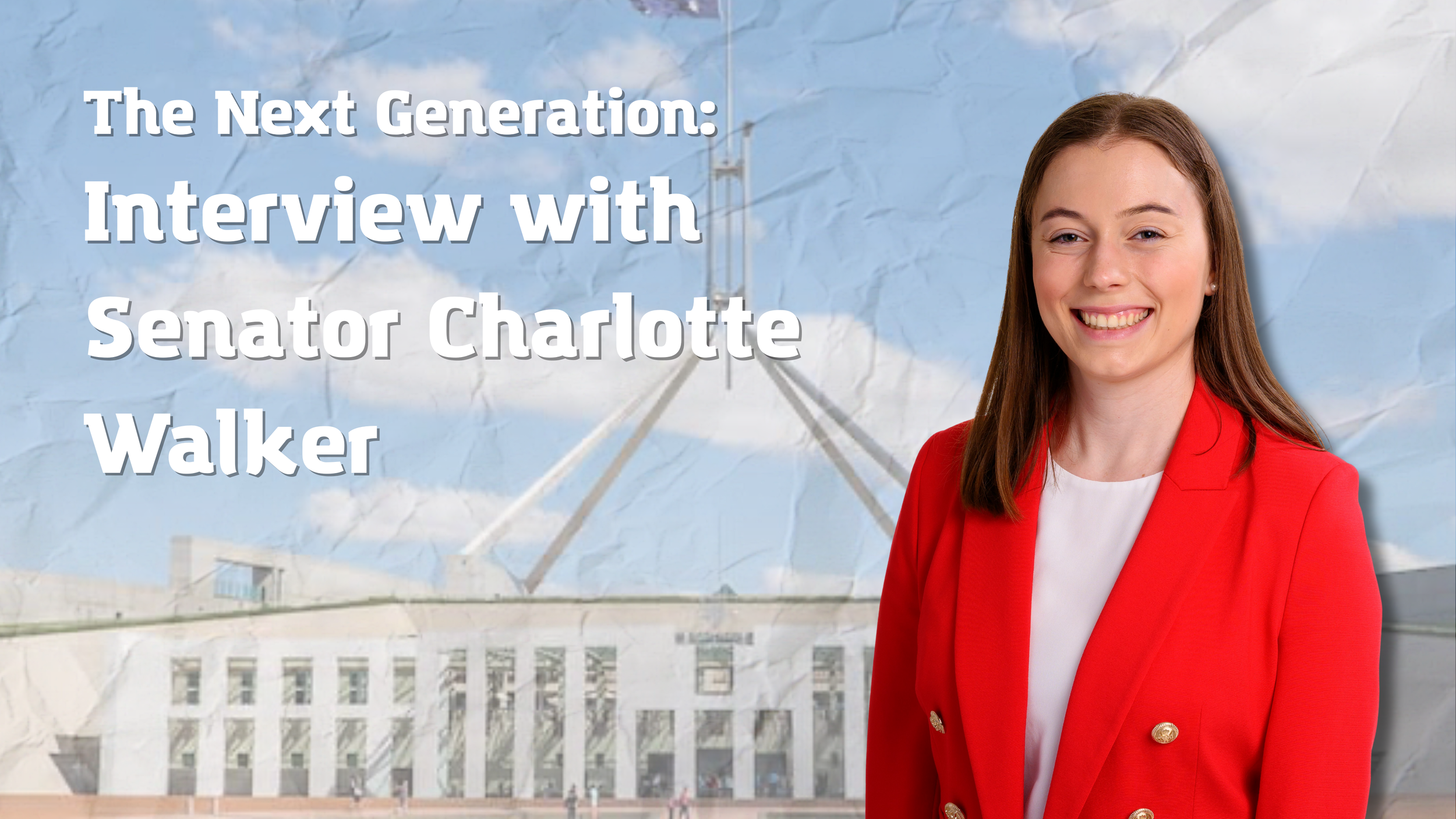
At the age of 21, Charlotte Walker, a young woman from the regional town of Yankalilla, located on the Fleurieu Peninsula, became the youngest ever person to be elected to the Federal Parliament in Canberra.
Graduating from Investigator College in Victor Harbor, Charlotte joined the Young Labor party at 18 during the 2022 federal election – bringing an end to nine years of Liberal government – whilst working with the Australian Services Union upon turning 20, who represent over 135,000 workers nationwide.
Charlotte was nominated to contest the notoriously difficult third spot in South Australia’s federal senate election; however, despite the odds (including the creative use of social media, Minecraft and get-ready-with-me videos), she succeeded in becoming a Senator for all South Australians.
Rise to Politics
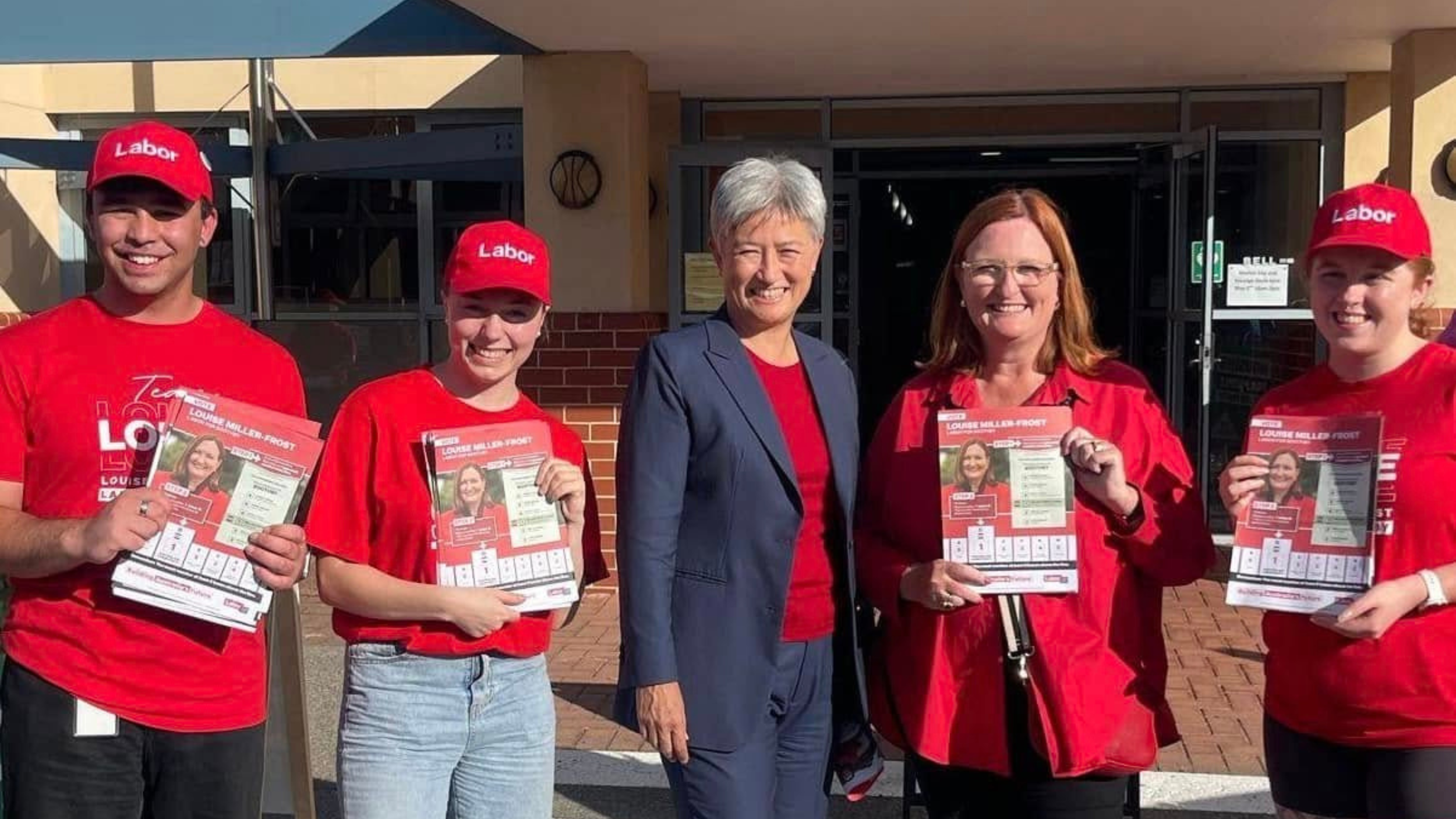
Zane Le Blond: I’m speaking now with Senator Walker. Thanks for agreeing to be in this interview.
Charlotte Walker: Thanks, looking forward to chatting.
ZL: Since Labor’s landslide win at this year’s Federal election, how has it felt being the first Senator born within this millennium?
CW: It’s a massive honour… I want to make sure I listen to young people, and I believe there is now a real opportunity for more young people to be represented in government.
ZL: You joined the Labor Party in 2022 on the eve of its landmark victory against the Liberals – what qualities drew you to Labor?
CW: So, it was around the time of the election I had to decide who I was going to vote for, and my family, my mother, weren’t members of the Labor party but had Labor values – but I had to decide who to vote for.
Like many young people, I went out there, did some research, and I decided I was going to vote for Labor based on their policies, and then from there I decided to join the party.
I’m one of those people who, if they wanna get out there, see something change in the world, I want to be a part of it.
ZL: Was there a specific part of Labor’s values that drew you to them?
CW: I don’t think there was a specific part, but… things like Medicare, the NDIS, paid parental leave …
“So, seeing what Labor had done in the past was really a message to me that only Labor can deliver a progressive government.”
Gen Z in Politics
ZL: Australia’s preceding 47th Parliament had an average age of 52, with only four politicians under the age of 45, excluding your age, which has certainly reduced this average, what experiences and insights do you believe yourself and Generation Z bring to the table?
CW: So, I think now, after the most recent election, I believe there are quite a few more people under the age of 45; there are far more Labor colleagues who are in their 30s, so I don’t think I’m the only one bringing down that age gap.
I think the Gen Z perspective is really, really unique because we grew up online, and I don’t think any of my other colleagues really experienced social media the way we did.
Also, the way we experienced COVID-19 was quite different, like for me and many of your readers, we got COVID during high school, which really disrupted our education, and I know that had a lot of unfortunate flow-on effects for young people.
Fewer of us were in the workforce, we didn’t own any homes – we were just trying to finish high school, and we didn’t get to see our friends for months.
The world is really changing around us, and it’s really important that we have representation from all ages, especially now that technology plays such a large part in our lives.
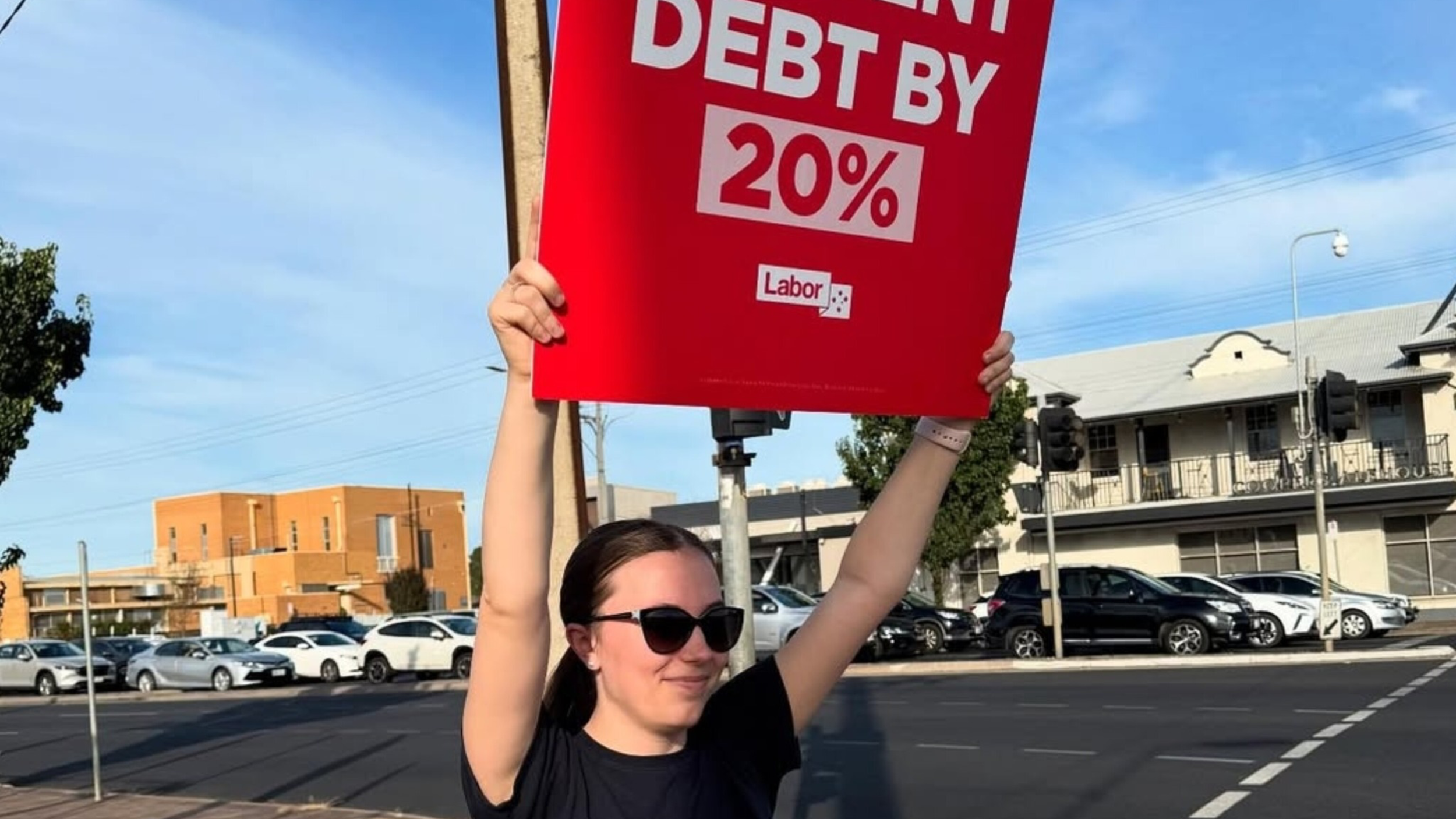
ZL: Australia’s 48th Parliament opened a couple of weeks ago, which saw the passage of Labor’s signature 20 per cent reduction to student HEC’s debts across Australia – how important are these types of policies to you and could it make Canberra more geared towards young people?
CW: What I’ve heard from a lot of people is that they graduate from university and if they’re earning the threshold, they are finding their debt is actually crippling them financially and is impacting when they can buy a home and especially their burrowing capacity.
The 20 per cent makes a difference for a lot of people, it’s more money staying in your pocket, but can also mean people can buy their first homes sooner and be financially better off than they would have been before.
“I don’t think the story of education should be one of debt”
We are always thinking of other policies for young people, we are fully funding our public schools – which will make a real difference for young people – the other big one is the five per cent deposits.
ZL: Despite your accomplishment, you’ve received criticism from members on the other side of politics that your age may make you “naive” – do you think these statements are unfair to you and Generation Z?
CW: You don’t have to look far to see what young people are called – sometimes it’s you're lazy, unmotivated, you don’t know what hard work is – which I think is really untrue and also unfair.
These are labels that have been slapped on us, which don’t represent the generation at all.
In terms of the personal criticism, it was all expected. You never go into politics expecting to have people complimenting you because that’s not the job; there’s always going to be people who don’t agree with you, but while the criticism is totally unjustified, it was expected.
Advice to Young People
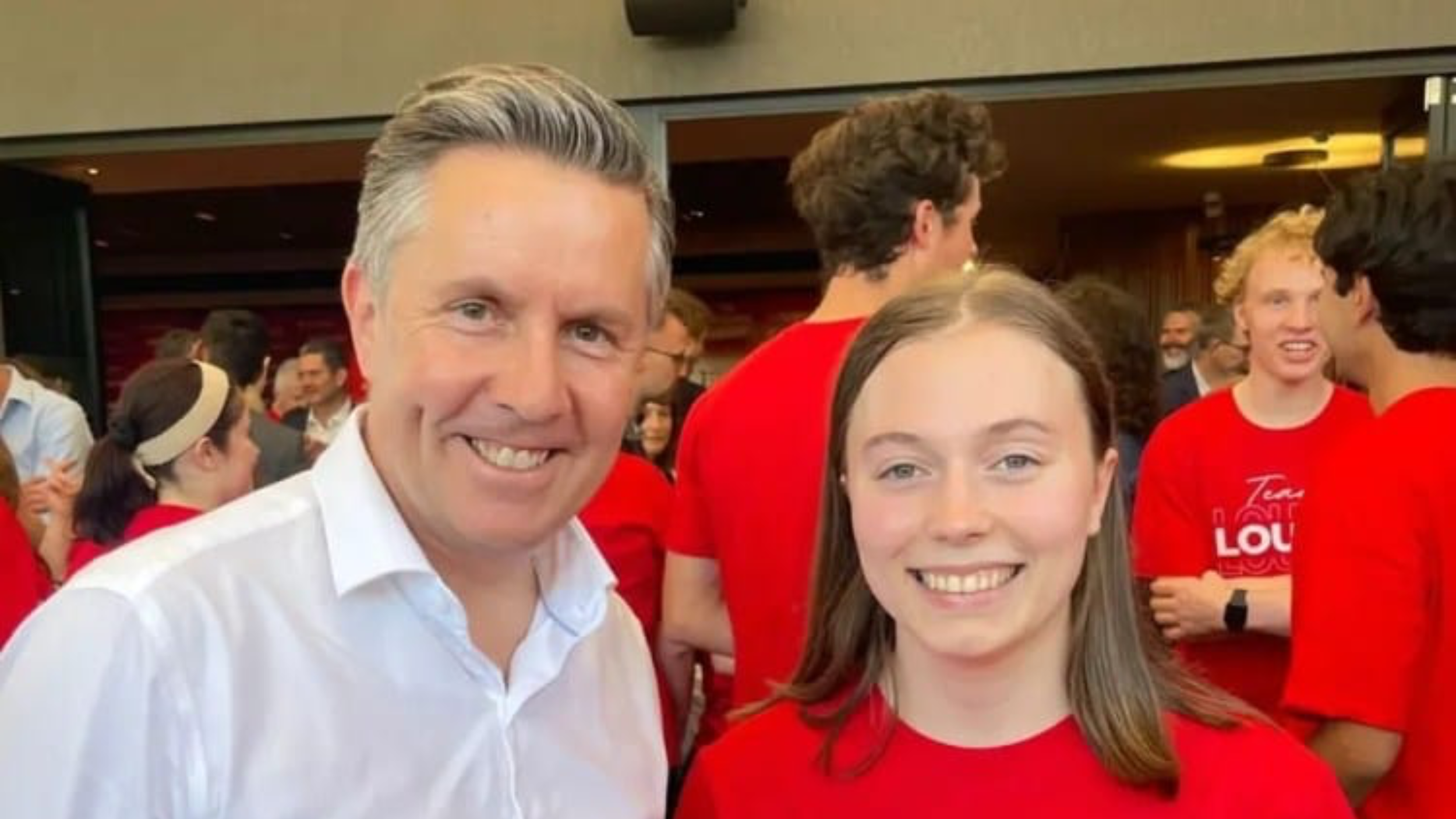
ZL: Generation Z is very politically engaged on issues such as climate change, housing, mental health and others – what advice do you have for someone reading now who wants to get involved in politics?
CW: This sounds cliché, but you’ve really got to just get out there. Regardless of your political persuasion – if you align with a particular party – you need to get out there and join, volunteer in elections and help in any way you can.
If you’re not political but there’s an issue you're passionate about, make sure you get out there and advocate for it.
There are plenty of ways to make a difference…people who don’t go asking for a young person’s opinion, so you have to make sure your voice is heard.
ZL: Running political campaigns is often a very difficult task. What experiences did you personally gain from running to become Senator?
CW: It was a well-resourced campaign…I wasn’t the only one on the ticket, for instance, there was Senator Karen Grogan and Marielle Smith were up for re-election and had really competent teams who knew how these campaigns run.
When you have the support of people who’ve got your back, then you are far more likely to succeed.
ZL: An interesting part of your campaign was the use of Minecraft and GRWM videos, which showcased Labor policies during the campaign. Did these tactics reach Generation Z?
CW: From the outlook of our campaign, we wanted to meet young people where they were…if you're producing social media content and want to target young people, then you’ve got to know what the trends relevant to young people are.
“If you want young people to engage – really people of all ages – you need to go to where they are”
…look you’re not always going to hit the spot, but I do think quite a bit of the videos and the campaign ideas we had did do pretty well – we saw they were getting shared around quite a lot which was exactly what we wanted – for young people to know about the policies.
ZL: Do you think we could see the Prime Minister playing Minecraft one day?
CW: I really hope so…you know the Prime Minister is pretty busy, so whether they’ve got time for that is debatable, but it would be pretty cool.
ZL: Is there anything else you wish to add?
CW: I would encourage young people to make sure they speak up, and if anyone isn’t listening to you, than make sure to go out of your way to make sure your voice is heard.