
Why the Way We Talk About Autism in Relation to Changes to the NDIS Matters
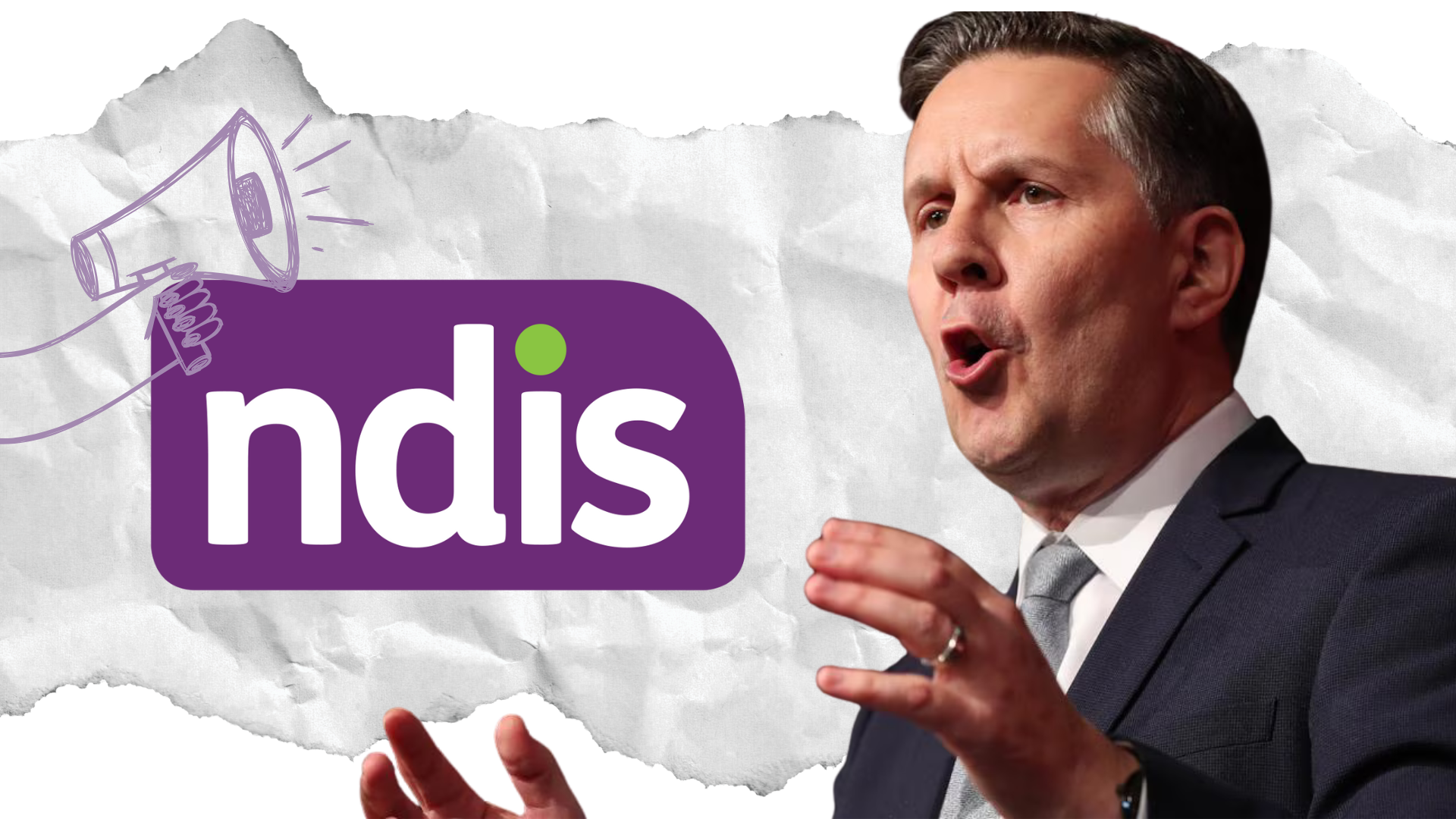
Recent announcements about changes to the National Disability Insurance Scheme (NDIS) are causing concern in the autistic community, together with the introduction of a new Commonwealth Government program called Thriving Kids. It’s not just the changes themselves that are worrying but also the language being used which some fear is both harmful and incorrect.
What’s Changing?
Mark Butler, the Minister for Disability and the NDIS, recently announced that the Government will be redirecting people with “low” to “moderate” autism off the NDIS in the future. Instead, they will receive support from other services and support systems, yet to be established. The reason given is that the NDIS is becoming too large and is moving away from its original purpose which was to support people with severe and permanent disabilities.
While it’s understandable that the Government wants to better manage the NDIS, the way they are communicating these changes is problematic. The words they use matter and opponents argue that the messaging is both confusing and hurtful to many autistic people.
While it is positive that current NDIS participants “with low to moderate autism” will not be removed from the scheme until other support systems are in place such as Thriving Kids, there is still a lot of uncertainty around what those systems will look like.
What is Thriving Kids?
The Thriving Kids program is due to launch in July 2026. It will provide early support to children who have developmental delays or are autistic. Many details of the plan have not been shared yet, and this is making parents and caregivers feel anxious about what support their children will actually receive.
It’s also unclear what the future holds for people who are diagnosed later in life. Will they still be able to access the NDIS? Or will they have to wait for new systems to be introduced?
Why the Language Matters
One of the biggest concerns that has been raised is about how politicians have been talking about autism in relation to these changes.
In an interview with ABC In-Depth, Mark Butler said:
“The number of people on the NDIS is largely what we projected a decade ago - people with intellectual disabilities, cerebral palsy, and those range of disabilities - with one exception and that is kids with developmental delay and autism, particularly at mild to moderate levels. So not levels that are likely to be permanently disabling, which after all is the cornerstone of the NDIS. Literally tens and tens of thousands of young kids are on this scheme that was set for permanent disability.”
This quote raises several red flags.
First, Butler says “people with autism” instead of “autistic people” or “people who are autistic.” The Autistic Self Advocacy Network (ASAN) explains that saying someone "has" or is “with” autism suggests it is something separate from them, something that can be removed, which isn’t true. Autism is a core part of an autistic person’s identity and is always there.
Second, Butler uses terms like “mild” and “moderate” autism. These labels are widely considered outdated and misleading. Autism is a spectrum, and these terms oversimplify people’s experiences. Instead, professionals use terms like Level 1, Level 2, and Level 3 autism, which describe the level of support a person needs, not how “severe” their autism is.
Here’s how the DSM-5 (a medical guide used by professionals) describes autism support levels:
Level 1: Requires support
Level 2: Requires substantial support
Level 3: Requires very substantial support
Saying someone has “mild” autism can downplay the challenges they face and can make it harder for them to access the help they need.
Another issue is Butler’s suggestion that “mild to moderate” autism isn’t a “permanent disability.” This is simply not true. Autism is lifelong. It doesn’t disappear with age or early intervention.
Naming the new plan Thriving Kids and focusing only on young children also suggests that autism is something children “grow out of.” This is harmful and could be misleading to the public.
Why This Matters
Language shapes how people think. When Ministers use incorrect or dismissive terms about autism, it influences how society thinks about and treats autistic people. It can also lead to less support being made available, can increase stigma, and impact understanding.
The Government may have valid reasons for changing the NDIS, but they must speak about any changes with respect, accuracy, and clarity.
ABC In-Depth: New plan to divert children with autism away from NDIS
https://www.youtube.com/watch?v=gvF4eB_lr3M
Autistic Self Advocacy Network: Identity First Language
https://autisticadvocacy.org/about-asan/identity-first-language/
Adult Autism Health Resources: The Language of Autism
https://www.adult-autism.health.harvard.edu/resources/the-language-of-autism/