
How does New Media play a role in modern Elections
In the lead up to the Australian Federal Election, Abbie Chatfield has blown up on TikTok, but not for the reasons she entered the media spotlight. Greens leader Adam Bandt and Prime Minister Anthony Albanese appeared on her podcast It’s a Lot in the lead up to the official election campaign. As with a traditional interview or campaign video, they spoke about key issues such as cost of living and climate change policies. Both Greens and Labor posted the content on their social media channels, as well as reposting content from Chatfield’s pages.
Multiple Liberal senators questioned if some of Chatfield’s social media content should be classed as electoral material, which would require an official authorisation statement. For example, “Authorised by Australian Government, Canberra” that you hear at the end of a Political Party Ad.
Cross posting is a huge part of a good social media content strategy, but where does the AEC draw the line? The current framework only regulates content when it’s considered ‘paid advertising’. This does raise the question about where the line is in regulating new media forms?
The spokesperson said the AEC was “not satisfied” that Chatfield’s podcast episodes, aired on 21 February and 11 March, fell under regulations for paid advertising or were communicated by or on behalf of a political candidate or party. “It appears that the invitations to Albanese or Bandt to participate were voluntary”, said AEC spokesperson
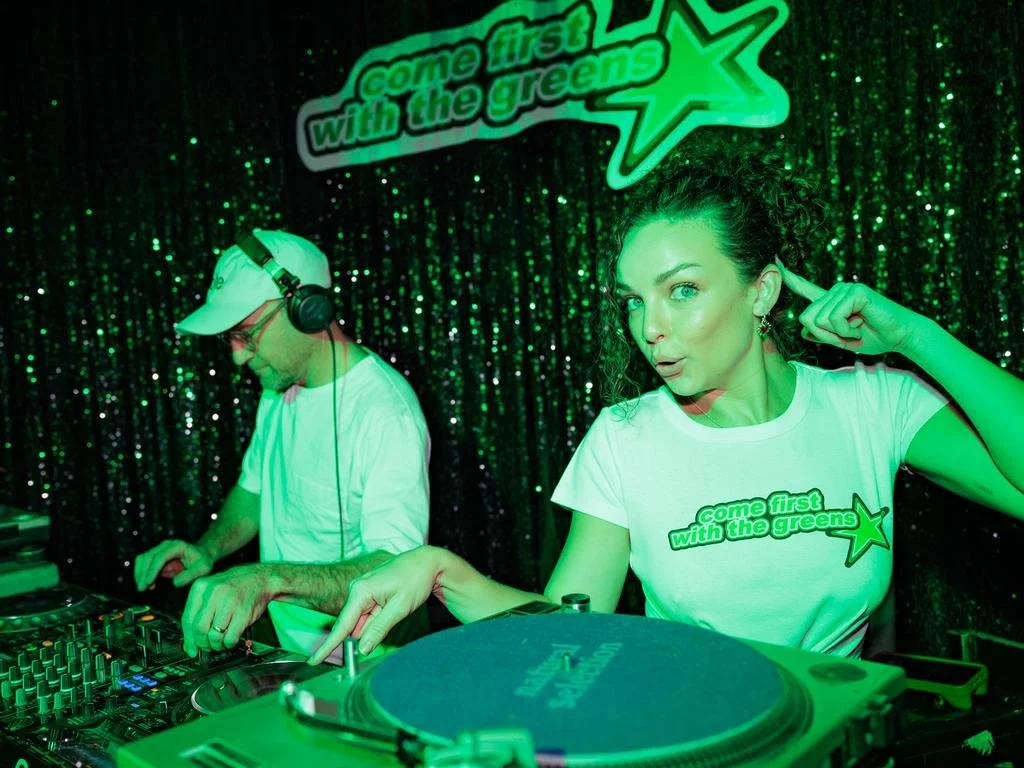
@abbiechatfield on Instagram
The rise of new media content and strategy this election has been platformed by a cohort of young progressive women like Chatfield. Another prominent figure in new media is Cheek Media’s Hannah Ferguson. With Ferguson even being invited to the federal budget lock-up, an event generally reserved for journalists from traditional media outlets. She also sat down with Prime Minster Anthony Albanese on her podcast Big Small Talk shortly after the budget was announced. Rumours circulated from traditional media sources that Ferguson and other influencers at the budget lock-up. They claimed that the women were having their expenses paid for by the Labor government to attend the event.
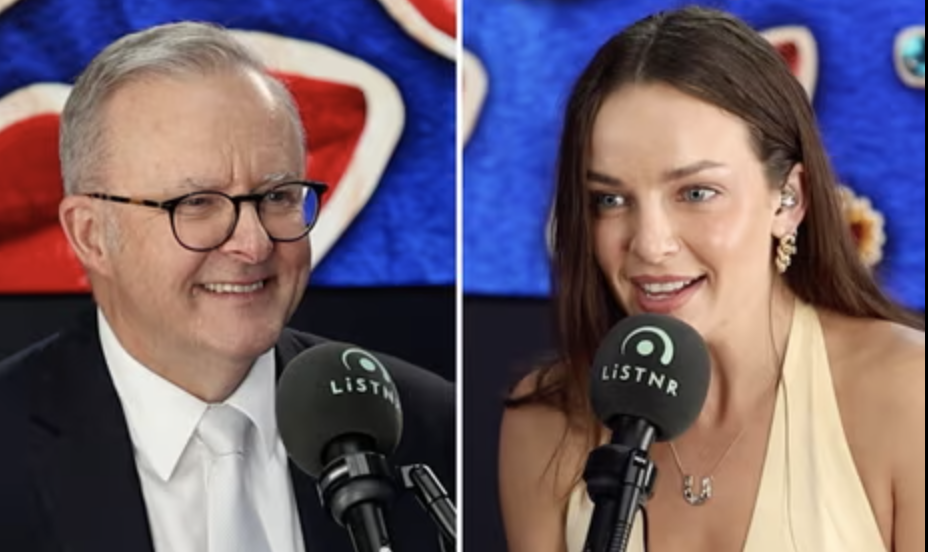
Photograph: LiSTNR
Unlike Chatfield, this didn’t require any regulatory scrutiny, but Ferguson and other still coped a lot of backlash.
She put out a statement shortly after saying, “Labor did not pay for my travel or accommodation to the budget, The Age did not seek to confirm this with me before using my image here. While new media is busy making content which speaks directly to Australians about how parliament works and what the budget means for them, legacy media is spending its time focused on us.”.
Both influencers have been making waves amongst young voters and allowing people who are disengaged in politics to find an avenue for discussion. By appealing to platforms such as TikTok and Instagram, where young people are already engaged, lowers the barrier for entry into politics.
New media opens up a different landscape for influence from politicians as well, but possibly the coalition has been left in the dust this election. This push to discredit the new mediums of journalism, which these young women are enabling, has only added to the disconnect that the Coalition has with young people.
For the first time ever, Millennials and Gen Z will outnumber Baby Boomers at the 2025 Federal Election. It’s unknown how Millennials and Gen Z increased interaction with these new media will sway their votes. The true influence of these progressive women of the new media landscape will be seen when Australia votes on May 3rd.