
Climate Change’s Legal Reckoning
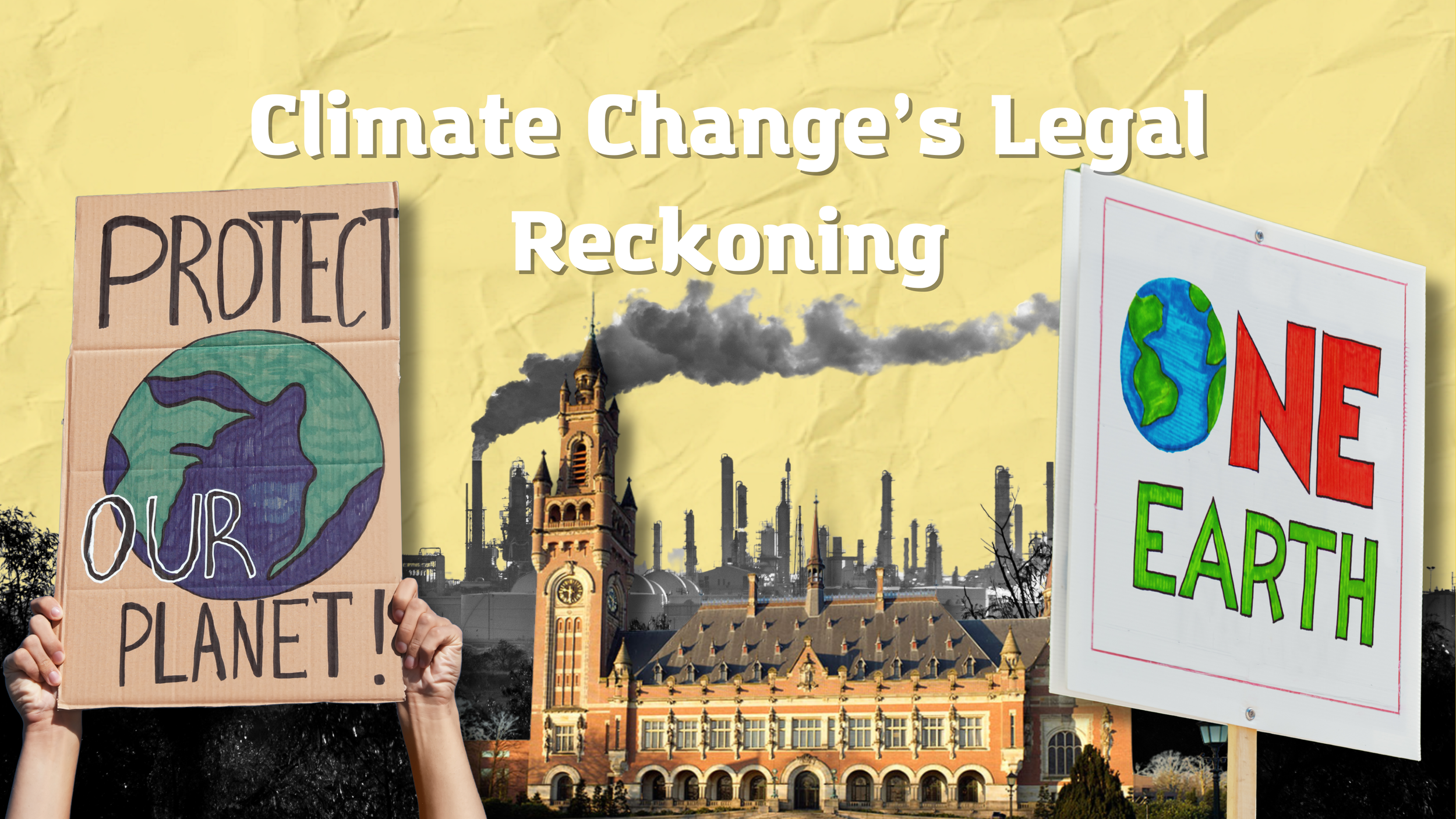
The world’s highest court has delivered a legal reckoning, declaring that nations have legal obligations under international law to prevent climate change, with legal consequences for those countries that fail to comply.
The International Court of Justice (ICJ), the principal judicial body of the United Nations, issued a landmark advisory ruling in The Hague (Wednesday 15:00 GMT+2) that states are obligated under international law to take reasonable steps to stop climate change.
The ICJ described climate change as an “urgent and existential threat” to the planet, and countries hold a ‘duty of care’ to prevent harm from any actions that further contribute to global warming, warning that legal consequences follow.
United Nations Secretary-General António Guterres welcomed the decision, calling it, “...a victory for our planet, for climate justice and for the power of young people to make a difference.”
Countries that breach their climate obligations, such as those held under the Paris Agreement on Climate Change to limit global warming to 1.5°C degrees above pre-industrial levels, will be found to have committed a “wrongful act”.
A wrongful act, while not legally binding, will carry political and legal consequences for countries deemed by the United Nations General Assembly to be contributing to climate change, including the legitimisation of ‘climate sanctions’.
From Classrooms to Courts

A group of pacific islander law students launched the campaign for the historic ruling | Pacific Islander Students Fighting Climate Change
The campaign for climate justice started from humble beginnings; In 2019, a group of Pacific islander law students, frustrated with the ‘international deadlock’ paralysing climate change action, united to take bold action.
By September 2021, following considerable campaigning, the group gained the support of the Pacific Island nation of Vanuatu, which announced it would seek an advisory opinion from the Court on climate change.
The UN Charter, which creates the United Nations, allows any country, big or small, through the General Assembly to request the ICJ provide an advisory opinion on matters of international concern.
After extensive lobbying of other United Nations member states, the initiative received consensus support of the General Assembly, adopting the resolution in March 2023, requesting the ICJ answer:
What are the obligations of states under international law to protect the environment, and what are the legal consequences for States under these obligations when they cause harm to the environment?
Australia’s Submissions
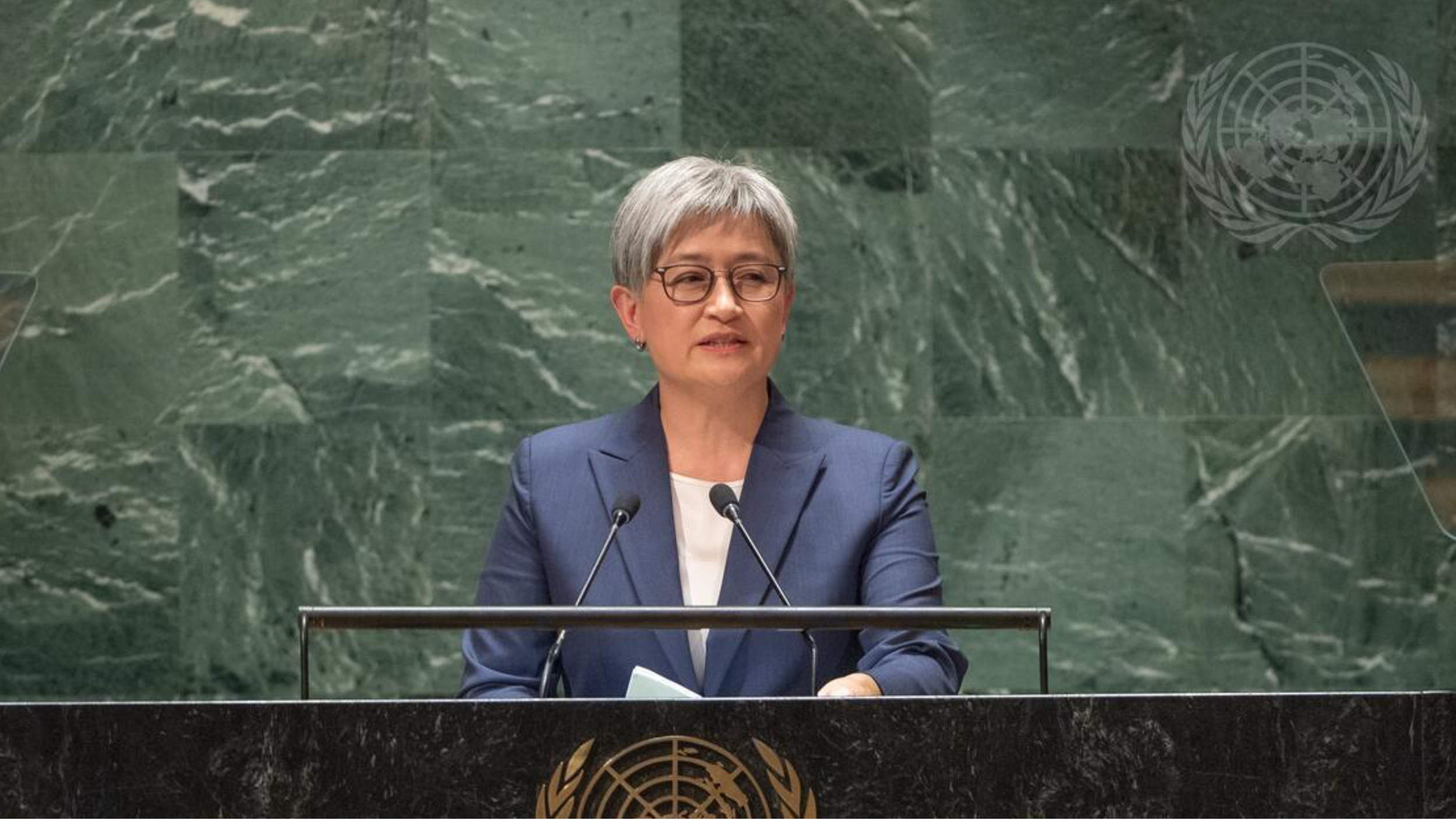
Australia’s argument that it can’t be held for harm caused to individual states was rejected by the ICJ | United Nations General Assembly
As the primary legal body of the United Nations, the court heard legal arguments from nearly 100 countries, making it the largest case ever to be heard by the ICJ.
The case received significant attention from fossil-fuel producers, such as Australia, which primarily exports iron ore, coal, natural gas and other high-emitting products to global markets.
Before the ICJ delivered its verdict, Australian Solicitor-General, Stephen Donaghue KC, told the court the Paris Agreement was “[the] primary source of states’ obligations under international law in respect of climate change”, and should be narrowly interpreted to require states to only set targets to cut domestic emissions.
Australia contended that the customary international law principle of ‘transboundary harm’ (damage from pollution crossing borders) didn’t apply to environmental harm caused by greenhouse gas emissions because they are “materially different” from conventional cases of transboundary harm.
It was also argued that responsibility for harm caused by climate change could not be pinned on individual states, and protecting human rights did not extend to tackling climate change.
Developing countries asked the court to interpret the Paris Agreement and the United Nations Framework Convention on Climate Change (UNFCCC) broadly to recognise the harm emissions have on a ‘planetary scale’.
Countries Responsible for Climate Change
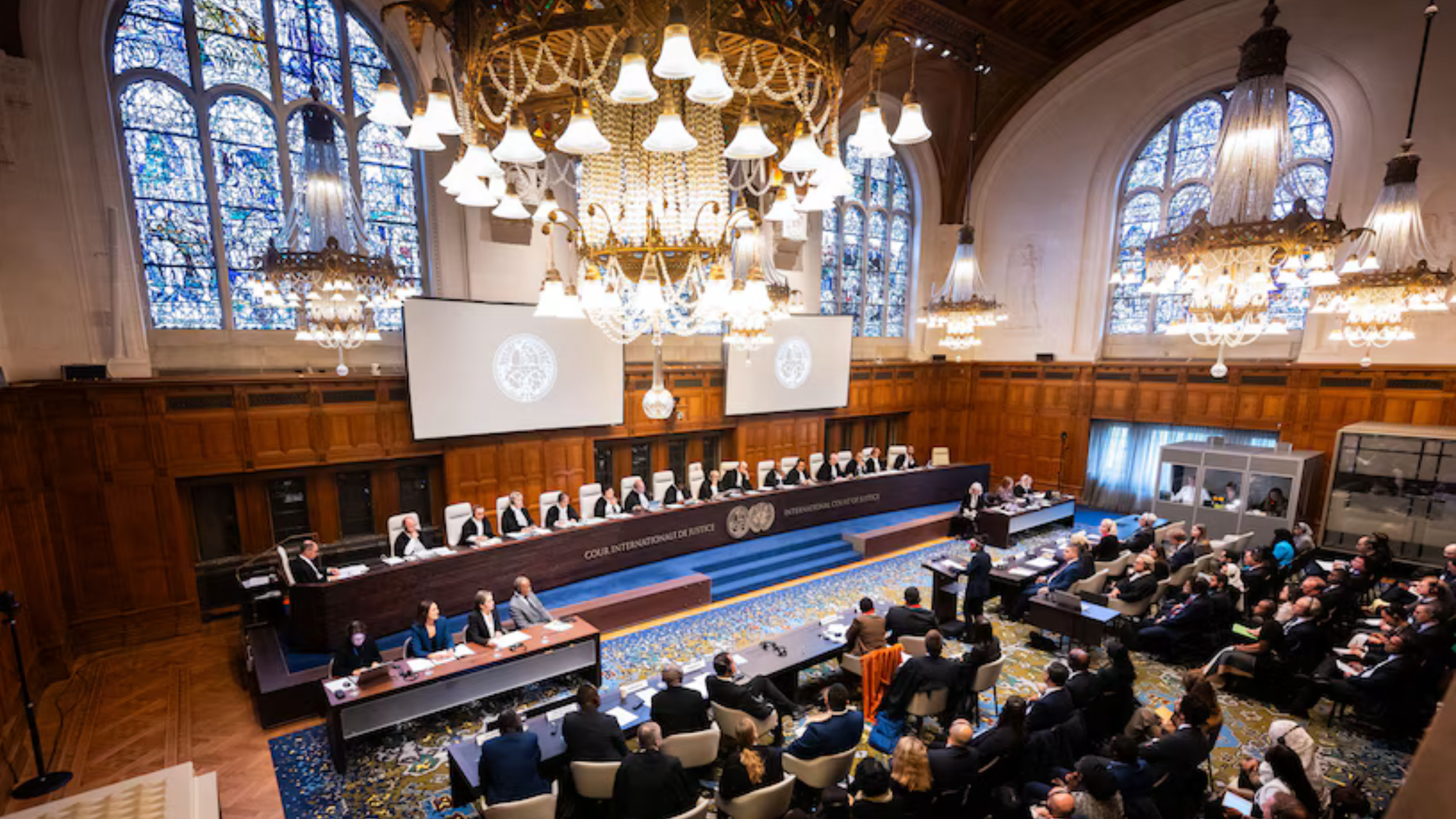
The ICJ ruled that countries are legally obligated to take reasonable steps to stop climate change | International Court of Justice
Delivering its advisory ruling, the court found fossil fuel producers, including Australia, are obligated under international law to end fossil fuel production and consumption that causes harm to the environment on a global scale.
ICJ President Yuji Iwasawa argued climate breakdown had severe and far-reaching consequences which affected natural ecosystems and people, saying “these consequences are an urgent existential threat”.
“[climate change] is an existential problem of planetary proportions that imperils all forms of life and the very health of our planet…failure of a state to take appropriate action to protect the climate system may constitute an internationally wrongful act”.
In essence, countries must undergo a managed phase-out of fossil fuel production, with failure to do so opening the pathway for climate litigation in domestic and international courts, including the possibility of ‘climate sanctions’ against UN member states.
Australia’s submissions were rejected, the court argued that the principle of ‘transboundary harm’ can be applied to the effects of climate change, due to its potential global harm
Uniquely, the court held that a “clean, healthy and sustainable environment” is a human right under the United Nations Charter of Human Rights, raising the stakes of litigation between UN states.
Countries must take binding measures to comply with climate treaties, with industrialised and high-carbon-emitting nations bearing a legal obligation to take the lead in combating climate change due to their greater historical share of emissions.’
The court also affirmed that countries that signed the Paris Agreement and UNFCCC must ensure their measures to counteract climate change are ‘progressive’ and reflect the “highest possible ambition”, in line with the treaty’s aim to limit global temperature rises.
In response to the ruling, the Australian government said climate change “is one of the greatest existential threats to all humanity”, and would embed serious climate targets into law.
The ICJ, empanelled with 15 judges, including those from China, India and the United States, delivered its ruling unanimously, underscoring its legal significance.