
Who Will Become the Next Liberal Leader?

Regardless of who succeeds Sussan Ley, they will face the ultimate challenge of having to resurrect a party on the brink of political death | Image Credit: Canva.
Liberal leadership rival Angus Taylor has fired the first shot for leadership spill, resigning his role as opposition shadow defence Minister.
In a statement to the media Wednesday evening, Mr Taylor said he did not believe Ms Ley was in a position to “lead the party,” declaring his candidacy for the leadership the next morning.
Mr Taylor argued the party “can’t ignore” recent polling which forecasts the Liberal Party consistently behind the right-wing populist One Nation party, calling it “[the] worst position it had been since 1944, when the party was formed”.
Recent polling, including The Australian’s Newspoll conducted February 5 – 8, found One Nation reached 27 per cent, with the Liberal Party reaching another historic low of 18 per cent.
Ms Ley, who was elected Liberal Leader following the party’s devastating electoral defeat in March 2025, has maintained she is “confident” she’ll retain her position, despite calls from moderates for her to step aside in favour of a compromise candidate.
THE FALL AND FALL AND FALL OF THE LIBERAL PARTY
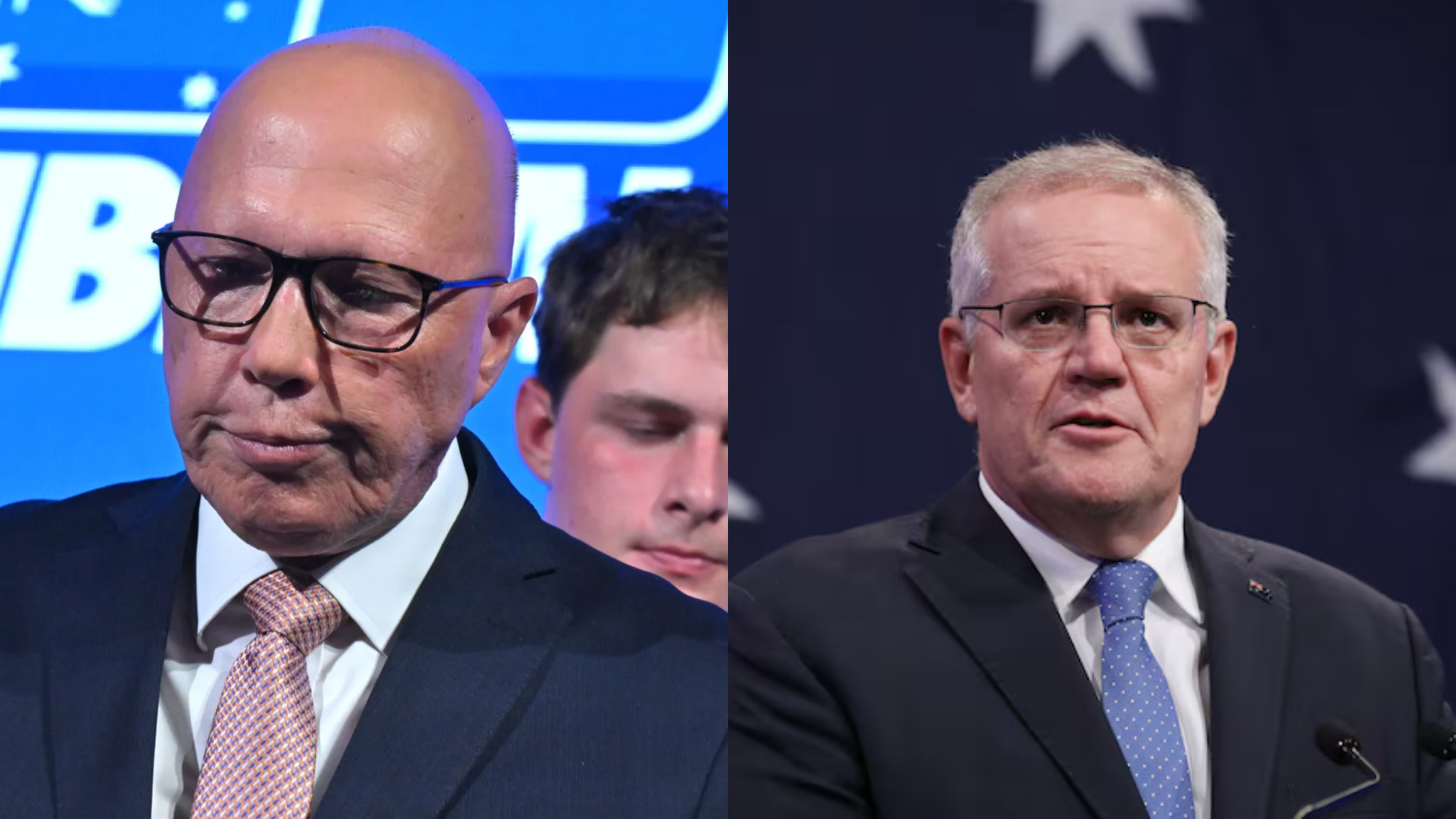
The Liberal Party primary vote has continued had declined consecutively since the 2022 federal election, with current polling suggesting 2028 could see it wiped from the map | Image Credit Canva.
Once Australia’s most successful political party, having won 19 of 31 federal elections since the end of World War Two, the Liberal Party now faces an existential crisis.
Since the Coalition’s “miracle” election win in 2019, its fortunes have changed drastically, with the party’s once high primary vote of 41.44 per cent before now gutted over two electoral cycles to 31.82 per cent.
Not only has Labor overtaken the Coalition on primary vote, having not done so since Kevin Rudd’s landslide 2007 election win, but the party has now consistently fallen behind a resurgent One Nation.
If current polls were to play out, or be even worse, during the 2028 federal election, the Coalition could see a complete electoral wipeout across Victoria, South Australia, Western Australia and be a minority even in New South Wales.
The Liberals face a live-or-die situation for a party now turning 81 years old.
Many theories have been postulated by current and former members over the party’s apparent political downfall.
Leading moderate figures, including former Liberal Prime Minister Malcolm Fraser (1975–1983), had criticised the party for becoming ‘too conservative’ and falling into “fear and reaction” politics over offering policy alternatives to win elections.
However, many party conservatives, including former Prime Minister Tony Abbott (2013–2015) and leadership aspirant Andrew Hastie, believe the party has ignored its conservative base and must offer an alternative agenda to Labor.
“As liberals, we support smaller government, lower taxes, greater freedom. As conservatives, we support the family, small business, institutions and values which have stood the test of time…but of all else, as patriots,” Mr Abbott said in a YouTube podcast.
Analysis of the 2022 and 2025 federal elections suggests the Coalition faces a double-edged sword between a younger inner-city electorate and women who demand action on cost of living and climate change, and a regional electorate who want less migration and greater economic protectionism.
The ‘Broad Church’, often highlighted by figures such as former Liberal Prime Minister John Howard (1996–2007) as the key to the Liberals’ success, seems now to be the thing holding it most back.
PLOTTERS AND SPILLS
The Liberal Party primary vote has continued had declined consecutively since the 2022 federal election, with current polling suggesting 2028 could see it wiped from the map | Image Credit Canva.
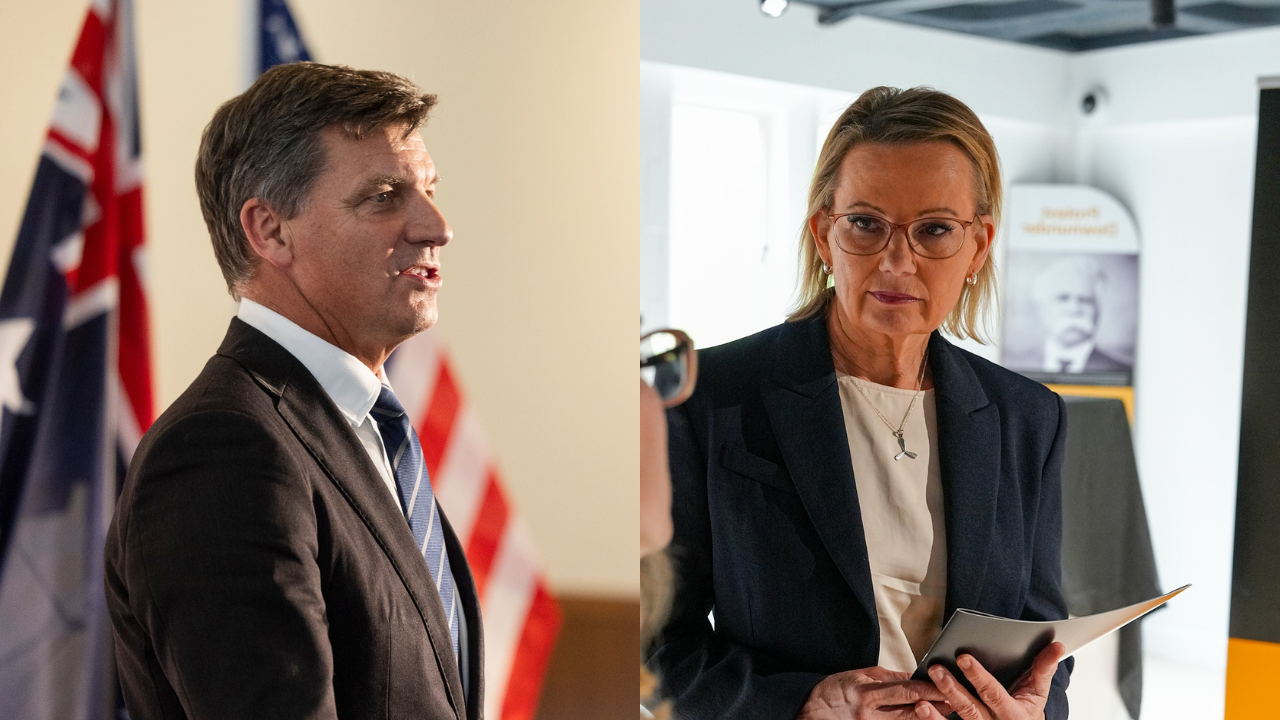
On Thursday Morning Angus Taylor declared his candidacy to run against Sussan Ley, with his backers meeting with Ms Ley to present a spill motion, expected for Friday morning.
In a video explaining his reasons for running on X, Mr Taylor said “the liberal party had lost its way,” and needed new leadership.
“I believe we need strong and decisive leadership that gives Australians clarity, courage and confidence in providing a vision for the future,” he said.
“I’m committing myself to the cause of restoring our party, so that it can be the party that Australians expect and deserve.”
Ms Ley has remained consistent throughout the leadership ramblings; she will remain leader of the Liberal Party, despite holding an approval rating of only 30 per cent as preferred Prime Minister.
The leadership race is expected to be tight. Ms Ley only defeated Mr Taylor 29–25 in a leadership ballot last May, with three of her supporters no longer in the party room.
Ms Ley is currently backed by moderate Liberals and remaining members of the ‘centre-right’ faction created to back former Prime Minister Scott Morrison (2018–2022) and other unaligned Liberals.
Mr Taylor has the support of his own ‘National Right’ faction, which is the largest bloc within the party room.
Backers for Taylor so far include Jane Hume, who is expected to run for the deputy leadership, while assistant treasury minister Alex Hawke has spent the last week arguing Ley has the numbers to stay on in the leadership.
The race to become deputy leader, however, remains open, with expectations that current deputy Ted O’Brien may face challenges from Zoe McKenzie, Angie Bell, Tim Wilson or anyone else wanting a job change.