
AFL’s (not so) silent problem
The AFL has been put to the test with one of the league’s biggest stars Izaak Rankine, investigated for using a homophobic slur against a Collingwood player a month before the start of a lively finals series. While this has taken the media by storm, it is not an outlier.
In the past 16 months, there have been more than five separate incidents where sanctions were imposed for use of homophobic language. While the sanctions have varied from Gold Coast's Wil Powell five match suspension to Port Adelaide's Jeremy Finlayson three match ban. The common thread is that the AFL is trying to make a step towards inclusivity for gay AFL men’s players. This crackdown has not been limited to the AFL either, with AFL listed defender Riak Andrew was suspended for five matches while playing for the Swans' reserves team. St Kilda's Lance Collard was also banned six games for homophobic comments during a VFL game for Sandringham.
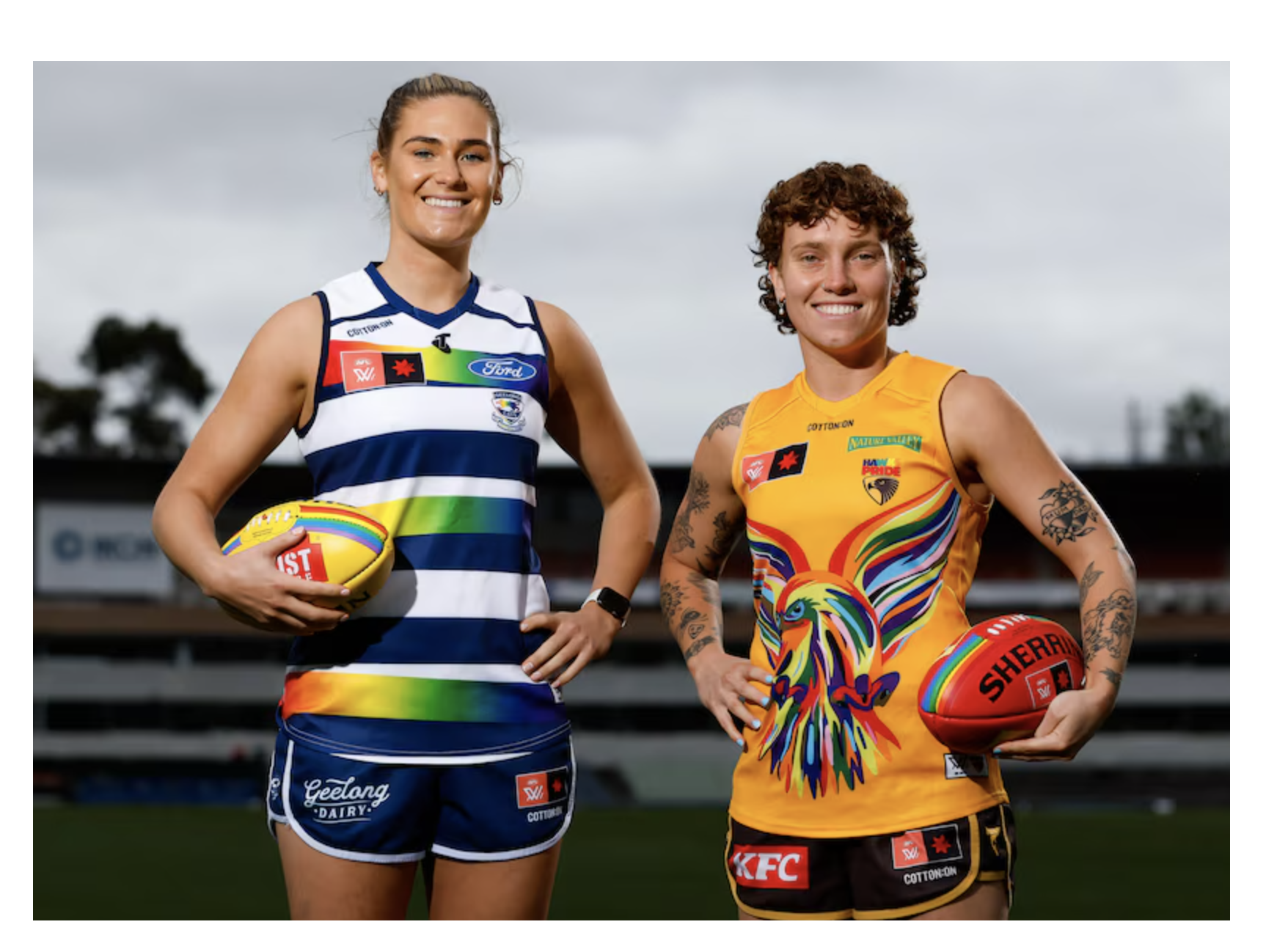
While the AFLW is made up of approximately 70-80% of Queer players, the AFL Men’s competition has historically and currently had no openly gay players.
Australian sporting institutions such as the AFL have long been seen as places of strong and traditionally masculine figures that juxtaposed the ideas associated with gay identity. When these attributes of violent masculinity are seen as a valued or normalised part of a sporting culture, other traits such as femininity or queerness could be seen as incompatible. At every level of footy, these ideas are perpetrated, making it hard to find a solution to such an ingrained problem.
The current media narrative has largely framed Rankine as the victim of his own actions, with minimal public support of LGBTQ+ people, accountability and remorse from the Adelaide Crows. With the verdict of a 4 match ban, he will be available to play in the Grand Final if the Crows make it.
The Adelaide Crows have largely chosen the avenue publicly of ‘ignore and it will go away’, with the consequences loudly on display. Thursday night’s Qualifying Final against Collingwood was clouded with loud boos that rang around Adelaide Oval when the player that reported the homophobic slur, Issac Quaynor touched the ball. The boos happened all game, with little impact on Collingwood’s performance, with a rousing 24 point win to send them one game away from the Grand Final. During the game, Channel 7 Commentator and footy legend Brian Taylor noticed the booing and said during the live broadcast: “I cannot believe this is happening. He’s done nothing wrong.”
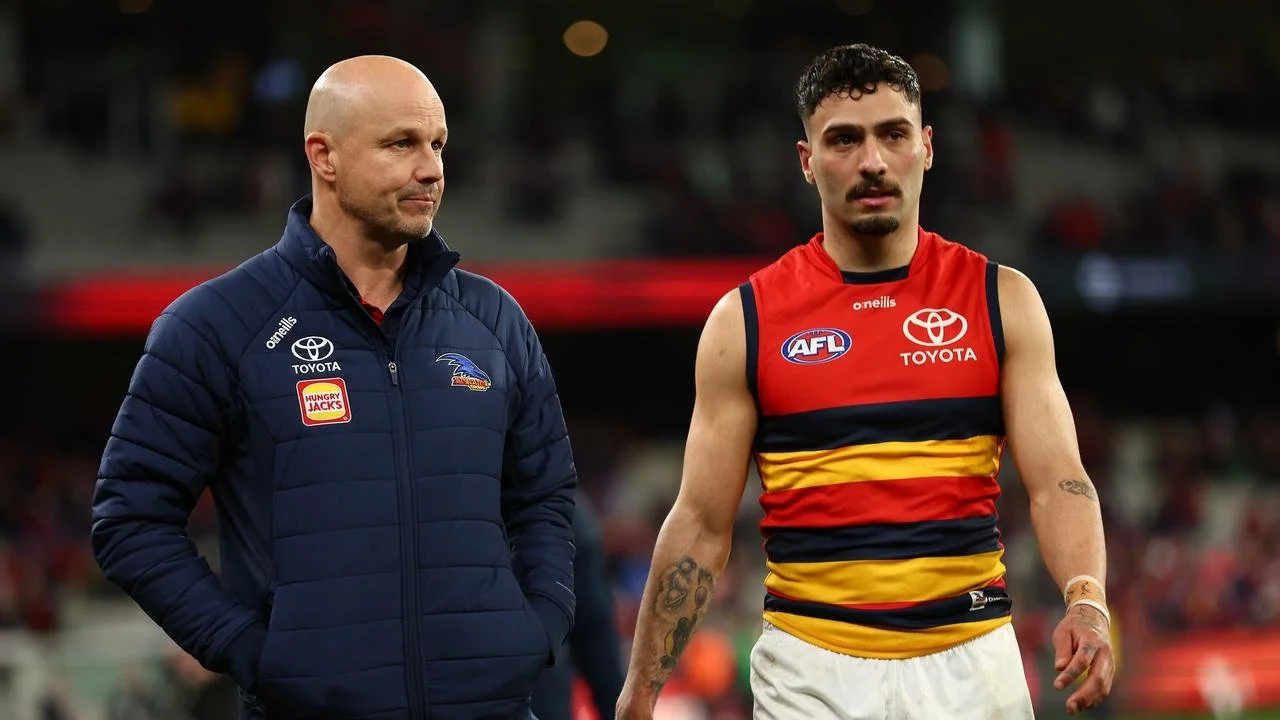
Widely fans, ex-players and journalists felt it was in bad taste, and also could have been prevented. The Crows coach Matthew Nicks didn't feel the same level of disgrace, when asked about the booing, he responded “It’s not one for me to comment on.”
The Crows put out a lacklustre response after the weekend, saying that "we want members and footy fans to be barracking and passionate, however, they should do so respectfully and any behaviour contrary to that is disappointing and not appropriate".
The booing of Quaynor further showed that the Adelaide Crows, particularly through lack of leadership from their coach and veteran players, have failed to help their fans understand the harmful action of one of their star players. This demonstrates the wider cultural undercurrents of the AFL community and media landscape. Minimal conversation has been had to place sympathy or illumination on closeted gay players, umpires, staff or fans who have been made to hide their identity. The Crows have also poorly facilitated internal support for Rankine, leaving him wide open to public scrutiny with no safeguarding or culturally appropriate support.
Rankine’s investigation has certainly opened up a wider conversation about why the AFL remains one of the last major sporting competitions to have never had an openly gay men’s player. The mismanagement by the Adelaide Crows, on both internal and external dealings of the incident, have demonstrated the culture of the Crows as a club that is lackadaisical in their approach to homophobia. Their actions have highlighted their complicity in continuing bigotry seen as a valued or normalised part of their culture. The AFL, Clubs, leadership groups and fans need to collectively work towards a more understanding and welcoming space for people of all, not just purposeful ignorance of the issue.