
50 Cents? How Much Should Public Transport Cost in South Australia.
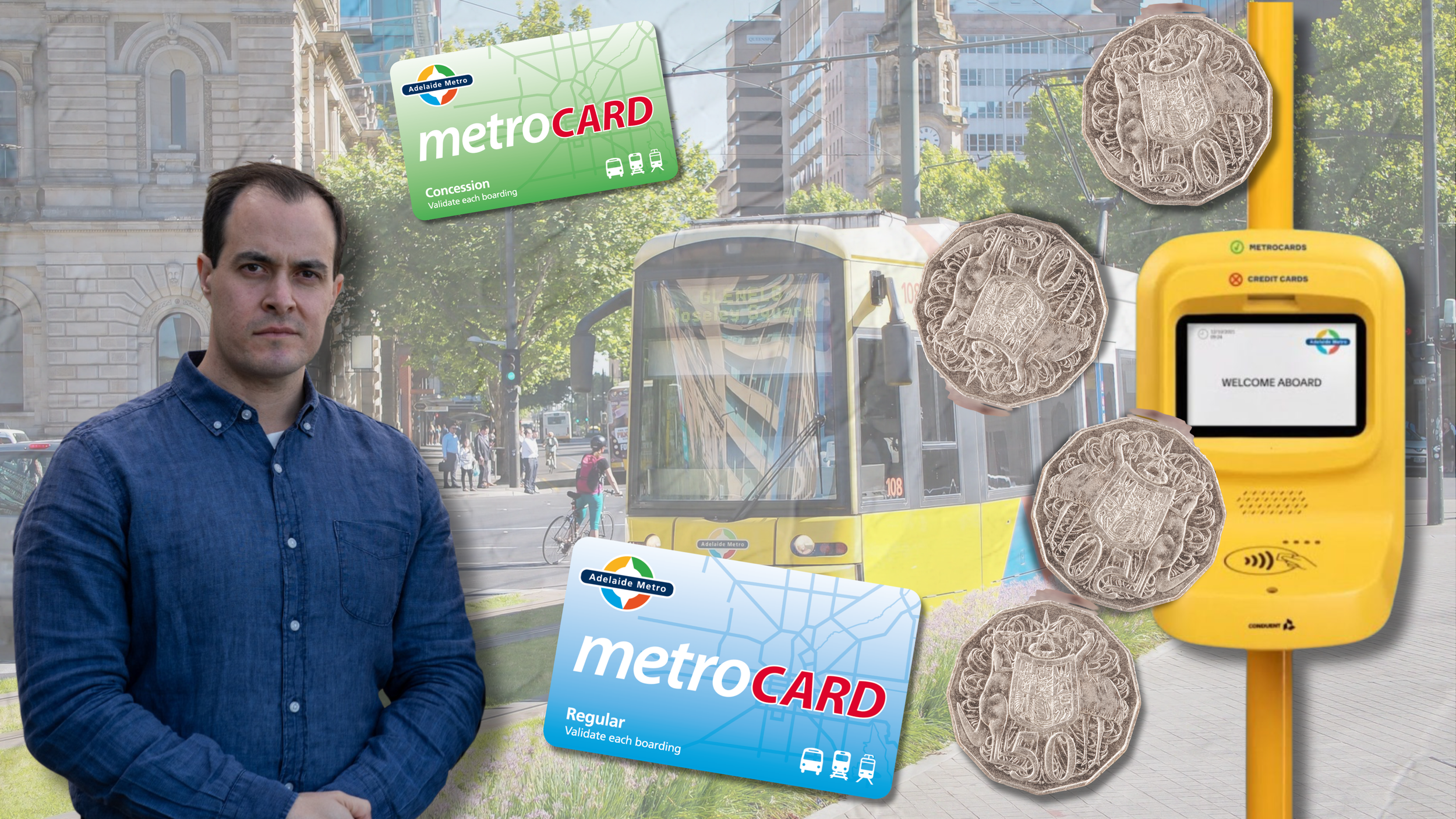
Full steam ahead on Liberals’ latest policy announcement.
The South Australian Liberal Party is promising to introduce a 50-cent fare across all metropolitan public transport services if elected at the March 2026 state election.
The $240 million policy, which mirrors the former Queensland Labor government’s 50-cent fares, would, under the Liberal plan, see a family of two parents and two students save up to $100 a week for daily travel.
“South Australians are doing it tough, and under Labor, those pressures are only getting worse,” said the shadow opposition leader Mr Tarzia.
“Cutting fares across Adelaide Metro to just 50 cents will mean real, practical savings for families”.
However, South Australian Labor refused to back the plan, with Premier Malinauskas saying it fell ‘$75 million short and “the Liberals’ policy on fares fails to invest in the additional services required to go with it”.
Cheaper Trains and Buses
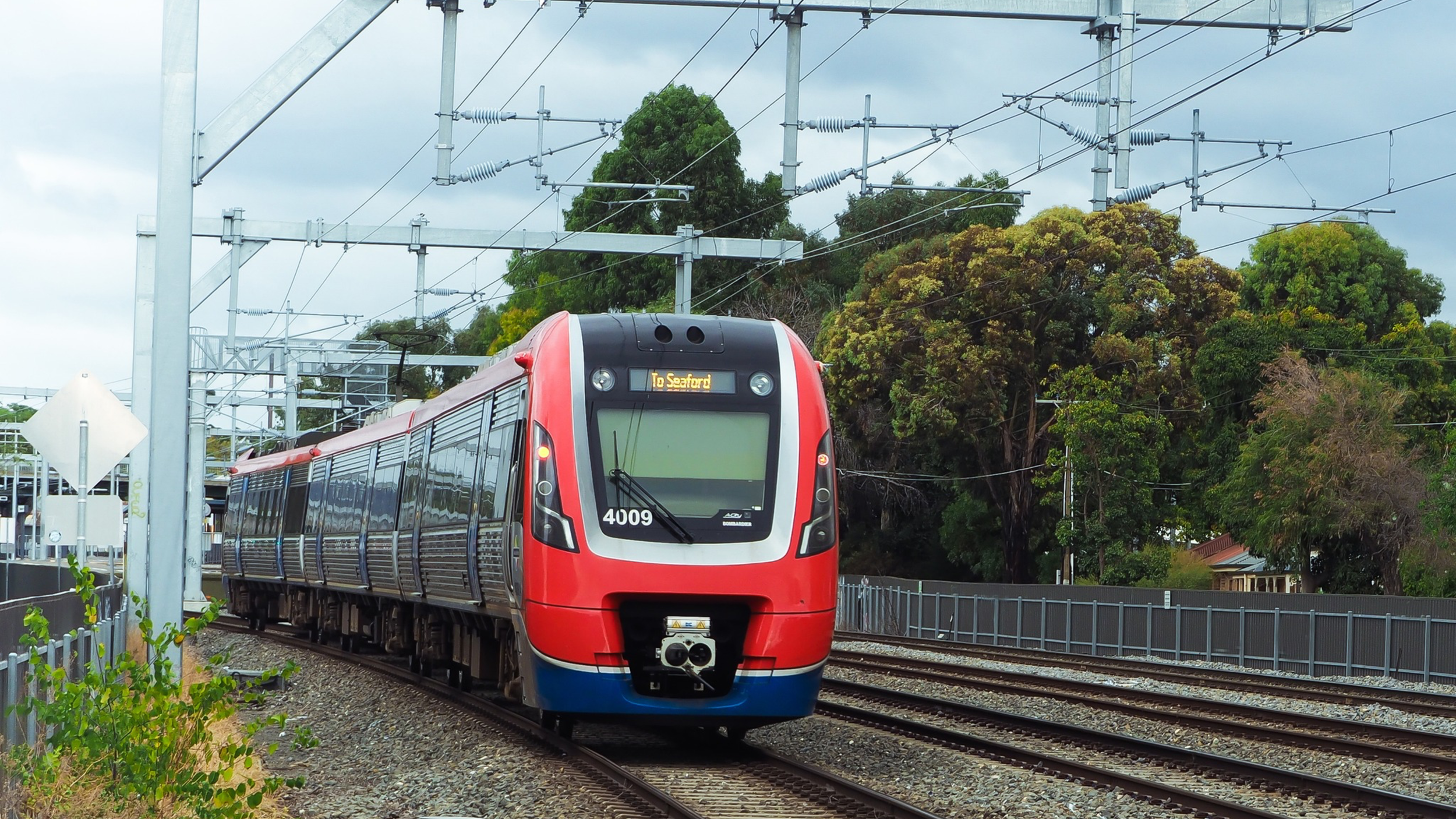
Adelaide Metro currently charges regular peak-travel fares for $4.55 and an off-peak fare of $2.60, with a day trip costing $12.50, or a 12-day pass setting you back $71.80.
A concession card will cost $2.25 during peak-travel and $1.30 for off-peak, with a day trip being $6.50 or a 28-day student pass being reduced to $10.00.
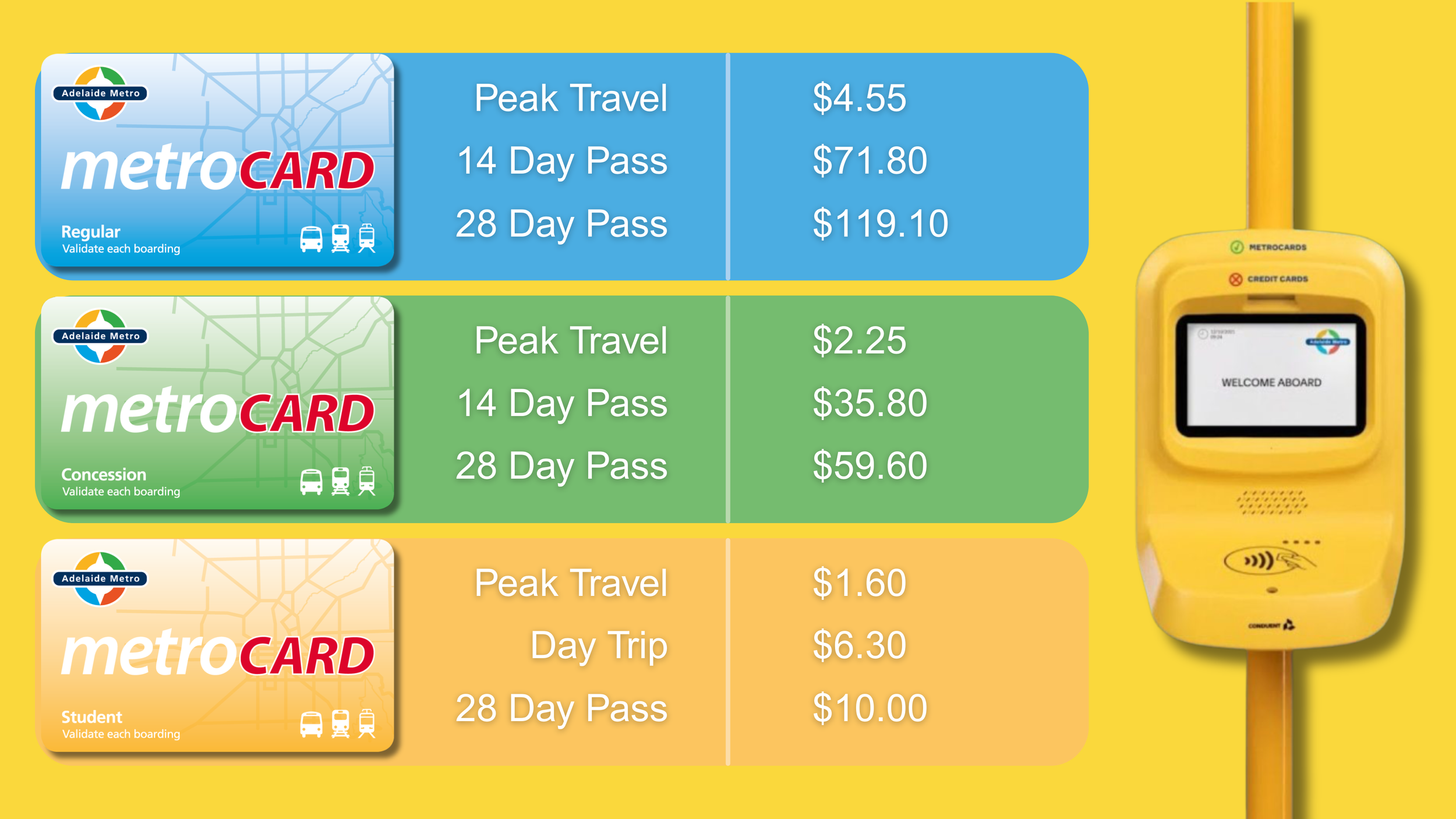
Adelaide MetroCARD fares
Mr Tarzia vowed that a state Liberal government would also introduce an Adelaide Metro bus service connecting Murray Bridge to Adelaide as part of regional service extensions.
This policy also includes extending on-demand bus services in Port Pirie, Victor Harbor, Mount Gambier, and the Adelaide Hills.
Shadow Minister for Transport Ben Hood said since Queensland adopted its 50-cent fares, it had seen public transport usage jump “40 per cent”, which he argued South Australia needed “[as] patronage is down significantly on pre-Covid levels”.
Government Response
Premier Malinauskas hit back at the Liberal policy, arguing the government “[had] done the analysis” and its costings “fell well short” of what was announced.
“One of the reasons why it's underfunded is because they’re not going to invest…in the additional buses, the trains and the trams that would actually be required to accommodate additional passengers,” he said.
Mr Malinauksas highlighted the government’s June state budget, which unveiled a $10 28-day public transport pass for school students, which equates to 25 cents per ride for travel to and from school and would result in increased costs for students.
Earlier in March, then Transport Minister Tom Koutsantonis also rejected pushes from advocacy groups to reduce fares to 50 cents.
“Politicians and public transport are often about trying to get votes; what I’m interested in is the longevity of the system,” he said.
50 Cent Future?

50-cents isn’t new. In last year’s Queensland state election, Labor famously introduced 50-cent fares, a policy so popular the state’s now ruling Liberal-National government has pledged to maintain.
In March this year, the SA Greens pushed the Malinauskas government to trial 50-cent fares, including their own policy of adopting free transport for all students.
Raghu Vijayan, 17, relies on public transport to get to school, and he believes cheaper, more accessible public transport is necessary for its future.
“I’m glad that public transport will be a key issue in this electoral cycle, Adelaide is growing, and with the rising cost of living, I believe we need a cheaper, safer and better public transport system,” he said.
“As a student, I’ve been enjoying the $10 28-day fare … I hope the benefits of cheaper public transport can be extended to as many people as possible … However, I am concerned whether our current public transportation system can keep up with the rise of travellers from the 50-cent fares”.