
What do Teenagers Think About Gambling

Gambling, for better or for worse, has become ingrained in the Australian psyche, with many young people often exposed to the practice from an early age. But how do these early experiences shape teenagers’ views and their experiences with betting?
In 2022, the Australian Gambling Research Centre, an organisation established under the Commonwealth Gambling Measures Act 2012 to conduct research into gambling behaviour and provide policy advice, found that three in four Australians (or 73%) over the age of 18 have spent money on gambling products. The most common product was lotteries (64%). The study also found that Australians didn't shy away from racing, sports, and pokies betting on occasion (39, 34, and 33% respectively). Yet the often-addictive nature of betting does not manifest once someone turns 18, but instead stems from experiences and engagement someone may have during their adolescence.
This issue has become the subject of the latest report by the Commissioner for Children and Young People, titled Teenagers and Gambling, which highlights how teenagers interact with gambling on a day-to-day basis. While data on the prevalence of gambling among young people has grown, the report aims to fill the gap in understanding why young people, particularly children and teenagers, choose to interact with gambling, and to understand their views and experiences.
Key Findings
Prior to the publication of the report, a survey was conducted by the Commissioner for Children and Young People from July to October of 2023, targeting South Australian teenagers aged 13 to 17 years. Up to 590 teenagers participated in the survey, with the largest age and gender demographic being 16-year-olds (28.3%) and females (59.6%).
Four in Five Young People Have Participated in at Least One Form of Gambling
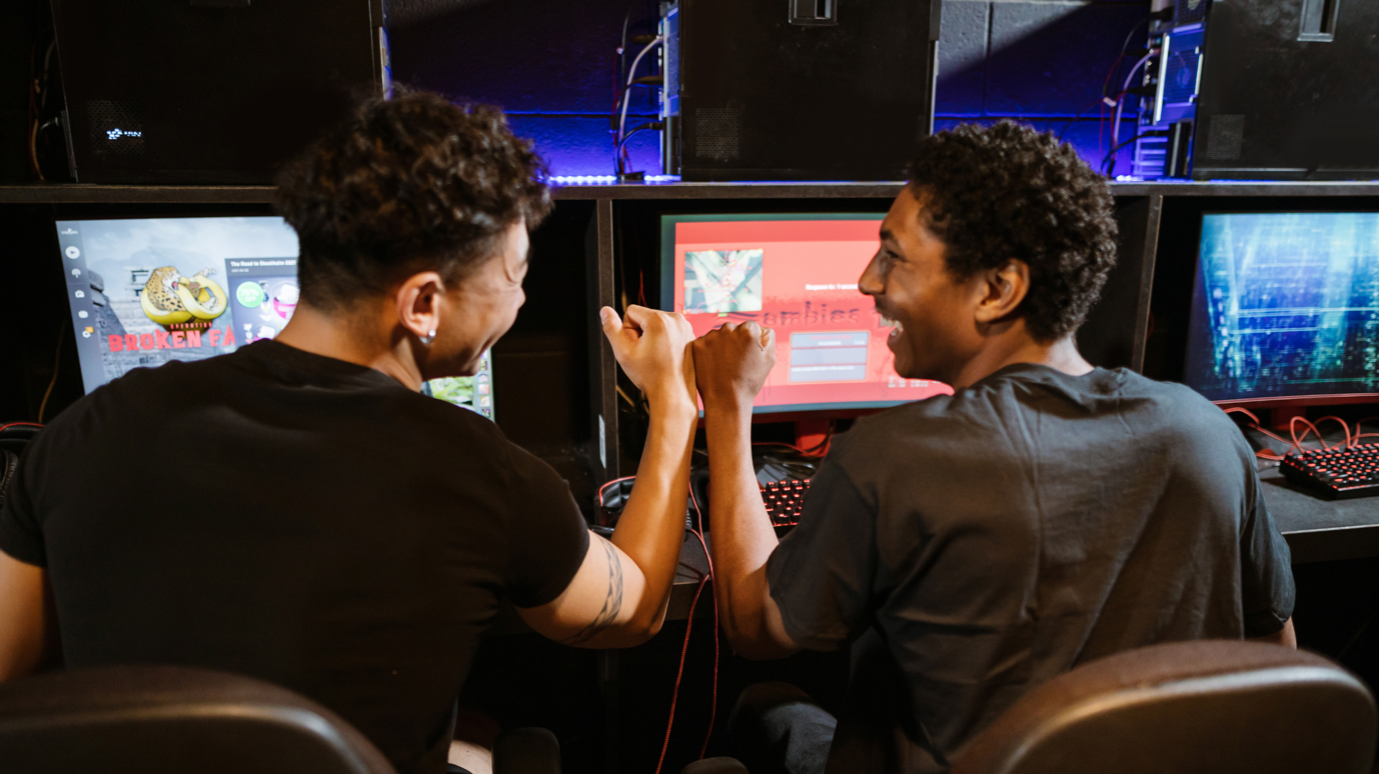
According to the report's key findings, at least 80.3% of young people have participated in at least one form of gambling, with 63.9% participating in at least two forms, and 43.7% participating in at least three forms. The five most common forms of gambling included arcade machines (66.0%), betting amongst family or friends (47.8%), bingo (40.7%), scratchies (33.0%), and loot boxes in gaming (19.5%).
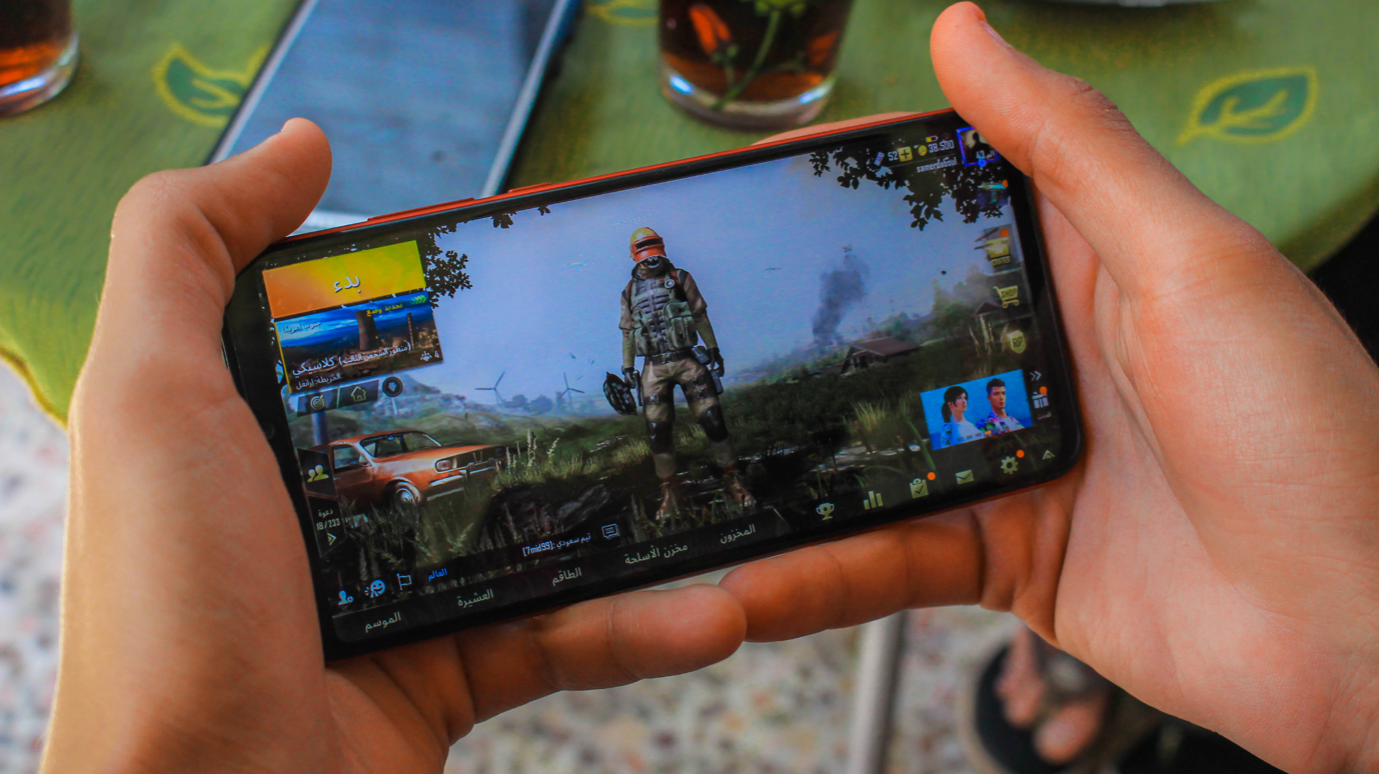
Teenagers often gambled the most when they were surrounded by friends or family, usually for small amounts of money or items. Most respondents associated gambling with being a form of fun and entertainment, often enjoying the 'thrill' of what they considered an escape from boredom or stress. The overwhelming majority of young people (96.1%) stated they had been exposed to gambling advertising for lotteries, betting apps, and traditional and online casinos. These advertisements were most commonly available in games, on social media (e.g., YouTube and TikTok), and while watching videos online.
Age of Respondents
Interestingly, the survey asked young people whether they recalled seeing or hearing any anti-gambling ads or messaging, generating mixed responses. While 57.1% did remember seeing anti-gambling ads, up to 42.9% stated they could not remember seeing gambling warnings. Regarding the role of social media, two in three respondents stated they had seen other young people gamble on social media, with one in two reporting they had seen social media influencers promoting gambling.
Teenagers argued they require greater education and information on aspects of gambling to make better decisions in the future. This included information targeting: gambling addiction, how gambling works, industry regulation, why people gamble, and the impacts and consequences of gambling. They also wanted to develop a greater mutual understanding with adults regarding gambling, a reduction in advertising, and improved anti-gambling messaging.
Entertainment Value
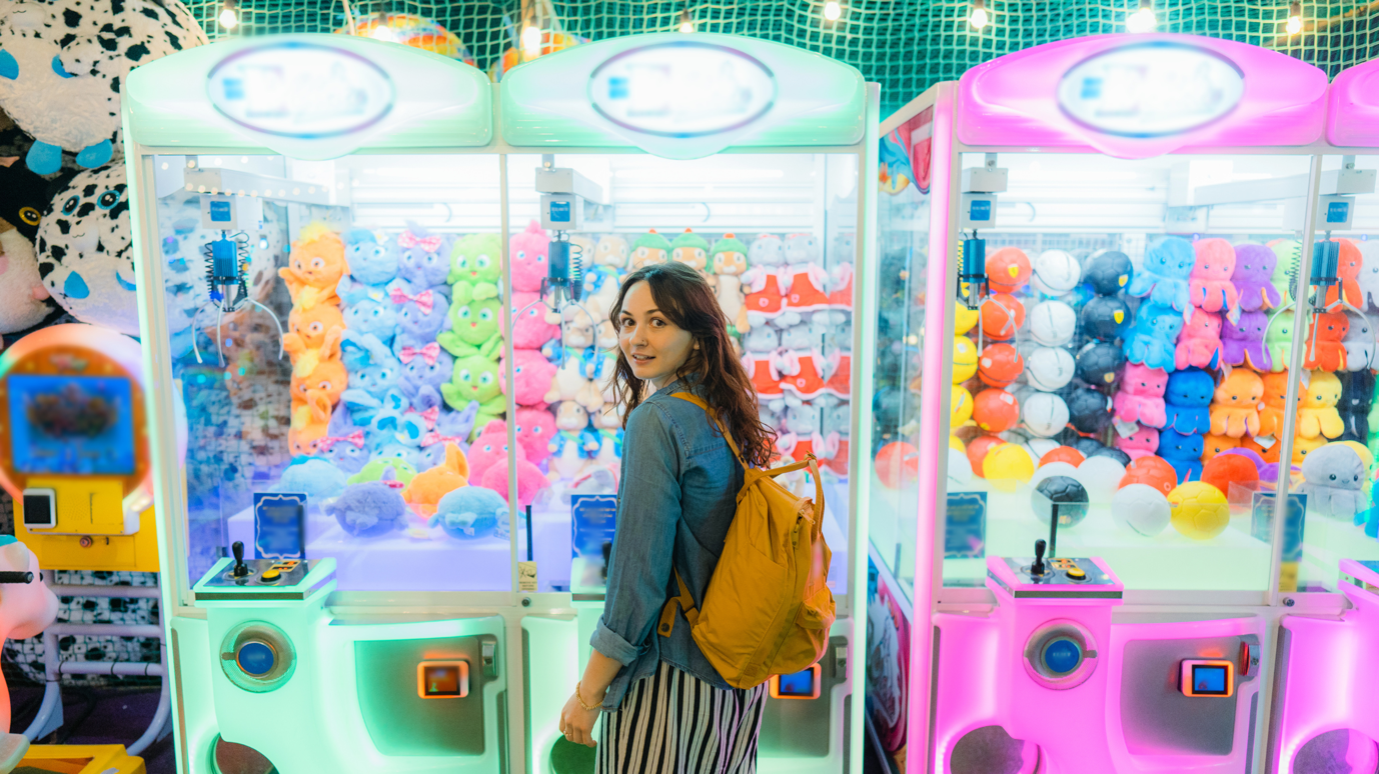
Like many adults, young people see gambling as a fun exercise to do with friends or family, with the potential to win always being a highly addictive treat for those looking to escape the pressures of life. The recent re-popularisation of claw machines targeting teenagers and young people, with cute plushies, figurines, and more, have become widespread across Australia, including Adelaide. MillionLife, an entertainment-oriented retail company, is an example of this new wave, having established multiple storefronts across the country, with four locations presently operating in Adelaide. Famous for its cutesy aesthetic, its stores have become wildly popular with South Australia's youth, with young people flocking in each day to have a go on the machines.
“Well, everyone has done it at least once. Betting in card games, I would only jokingly bet a maximum of 50c so it’s not really an actual bet. Arcade machines are just obvious, the dangle, the prize in front of you.”
Teenagers also referenced the accessibility of gambling, stating it made it easier for them and their friends to interact across a variety of different forms. Many stated they often visited arcades, the city, shopping centres, and unique combinations of both arcades and general recreational activities such as water slides and mini golf. Public places like bowling alleys, pubs, restaurants, and ice-skating rinks were also mentioned. However, many teenagers stated they had only participated in gambling 'occasionally' or a couple of times before in their life.
Many respondents also emphasized that gambling was only done with small amounts of money or for items alone. As most gambling is done with friends or family, most bets were generally under some form of supervision with minimal stakes. Many who had played with arcade machines, including claw machines, stated they did so with loose change or a gold coin left over from a previous purchase. Overall, most teenagers view gambling as a cheap way to have fun that distracts them from the pressures they face in their life.
Pervasiveness of Gambling

Nearly everyone surveyed recalled seeing or hearing advertisements for gambling (96.1%), revealing the deep pervasiveness and normalization of gambling from a young age. Different forms of gambling were advertised more in some places than others; betting apps and lotteries were mostly advertised on TV, whereas online casino games and betting were promoted on social media. Nearly three-quarters (73.2%) of teenagers who completed the survey had seen advertisements for gambling on at least one social media platform – with YouTube being the most common (54.1%).
Teenagers recall seeing advertisements for gambling on the following platforms
“Often when I am playing games or looking at things online, there might be gambling pop up ads either on the side of the screen or in the middle – i.e. pops up during a video or game.”
Alongside advertising, exposure can occur from seeing other people gamble or discuss gambling in everyday places. While teenagers mentioned they engage in gambling-like activities with their families, they would however be more likely to hide their exposure to gambling through their parents.
While teenagers mentioned they engaged in gambling-like activities with their families, they often hid other forms of gambling exposure (e.g., parents going to play the pokies).
Top 5 Most Common Forms of Gambling
The pervasiveness of gambling messaging was also made evident by the familiarity teenagers shared with many forms of gambling. Many were much more likely to recall hearing about the different forms of gambling and gambling-like activities than to have participated in them. For example, nearly all teenagers reported that they had heard of group betting on sports, but only 6.9% said they actually participated in group bets. Similarly, most had heard of cryptocurrency, but only 4.3% had bought or sold cryptocurrency.
What Teenagers Want
Many teenagers expressed strong desires for greater education and information regarding key aspects of gambling. This included resources targeting how gambling works, gambling addiction, how the gambling industry operates, and what government regulations exist to monitor gambling. Young people also wanted to have more open conversations about gambling between teenagers and adults. They also desired a general reduction in gambling advertisements and barriers to limit the accessibility of gambling through improved anti-gambling messaging.
Importantly, many teenagers also wanted resources on how to stop a gambling addiction and help others. This included greater awareness of the services available and how to break out of the 'gambling cycle'.
“Why has it become so addictive and how [can we] stop people from developing addictions?”
Teenagers also expressed a willingness to learn more about how the gambling industry operates. Some wanted to know the history of gambling and how it works internally, including how prizes are funded by betting agencies.
Alongside greater education, many young people highlighted they wanted to see widespread industry change to reduce gambling advertising and introduce limits on people's abilities to gamble. While this could include traditional media such as television, many respondents believed that the high frequency of gambling advertisements on their social media and online was a much greater area of concern for reform.
Advice to Government
Helen Connolly, the Commissioner for Children and Young People, believes that the nature of gambling across Australia has become ubiquitous among young people. Nearly all of the 590 teenagers surveyed had at least been exposed to one form of gambling and gambling advertisements, with many already participating in formal and informal gambling activities at some point in their lives – even from young ages.
While gambling is often discussed in relation to teenage boys, the report found that many teenage girls also participate in gambling, and that the issue was moving beyond a singular gender. Connolly argued that greater consideration must be given by public policy to the impact of gender on gambling participation, forms of gambling, and their frequency.
“In short, teenagers want more information about gambling and its risks made available to them at a younger age”
Developing educational resources regarding gambling and related activities for teenagers is necessary but importantly must be developed with input from teenagers to be successful. Commissioner Connolly identified that there remains little public-facing information or support for teenagers suffering from gambling harm, how to prevent it, or what to do about it. Parents and caregivers must also be brought into this conversation and need to have access to resources that enable them to have meaningful conversations about the risks associated with gambling.
Until these resources are developed, blind spots will continue to linger in gambling education, which can have negative consequences for supporting young people who may develop or currently suffer from gambling addictions.