
What to Know About Australia’s Social Media Ban
The Great Social Media Detox
Young people under the age of 16 will soon lose access to their social media accounts, with fines of up to $49.5mil million for platforms that fail to take ‘reasonable steps’ to exclude young people from their sites.
Australia’s social media ban, which enters into force on December 10, will see ‘age-restricted social media platforms,’ such as Instagram and TikTok, restrict young people from creating accounts unless they can verify, they are 16 or older.
However, not all accounts will “magically disappear overnight” from social media, with eSafety Commissioner Julie Inman Grant warning the ban’s implementation will “vary platform to platform.”
“This legislation does not give us a mandate to cut the Coral Cable or deplatform social media apps on stores,” she told the National Press Club in June.
This coincides with Ms Inman Grant and Communications Minister Anika Wells being named defendants in a fresh legal challenge to the proposed social media ban in the High Court.
15-year-olds Noah Jones and Macy Neyland have partnered with digital rights advocacy group the ‘Digital Freedom Project’ to challenge the ban, arguing the law breaches the constitution’s implied freedom of political communication for young people.
In the statement of claim filed in the High Court’s Sydney registry, the plaintiffs will seek that the ban be declared invalid, or an injunction restraining the Commonwealth from enforcing the minimum age provisions, including the issuance of notices or taking compliance actions against platforms.
Ms Wells defended the government’s position in Question Time, saying “we stand reading to defend any legal challenges that come our way on behalf of the 120,000 Australian parents who asked us to pass this law and to protect their kids from the harms of social media.”
How will the ban work?
From 10 December, social media platforms deemed by the Australian government to be included in the social media ban will need to deactivate all accounts for users under 16 and take steps to prevent users from holding an account until after they turn 16.
The eSafety Commissioner must be satisfied these platforms have taken “reasonable steps” to prevent under-16s from holding an account on the platform, or they will face a fine of up to $49.5mil.
The Australian government has so far deemed Facebook, Instagram, TikTok, Snapchat, X, Reddit, Twitch, and Kick as falling under the ban, whilst leaving the room for other platforms to be included if teenagers flock to new apps or social media.
In July, the government moved to include YouTube in its ban; however, as exempted YouTube Kids and opened the possibility for social media platforms to develop “kid-friendly” alternatives.
Other educational platforms, such as Google Classroom or job platforms like LinkedIn, are exempted, with the eSafety Commissioner saying the ban won’t apply to Pinterest now.
How will social media verification work?
It is ultimate for the social media platform to decide how age verification will work. The only requirement provided by the government is requesting a person’s ID not be the only form of age check.
Platforms such as Meta, the owner of both Facebook and Instagram, have so far been silent on how it plans to determine which users it understands to be under 16, arguing it would alert teens to how to circumvent the ban.
Other platforms like Snapchat will use account behavioural signals and birth dates to list accounts under 16, and TikTok, in a statement, said it would employ a ‘multi-layered approach to age assurance’ relying upon technology to confirm someone’s age.
If you are under the age of 16, you have a limited number of choices of what to do with your pre-existing accounts, depending on the platform.
For Facebook and Instagram, teens can choose either to download all their photos and messages and place their account ‘on hold’ until they turn 16 or delete their account.
TikTok says it will give users the option to deactivate or delete their accounts and archive content already there. Snapchat told a Senate inquiry in October that it would allow users to download their photos and communications and freeze the account until the user can demonstrate they are over 16.
Snapchat says this would affect as many as 440,000 users in Australia between the ages of 13 and 15 – other platforms have not disclosed how many accounts it would impact.
Challenges to the social media ban
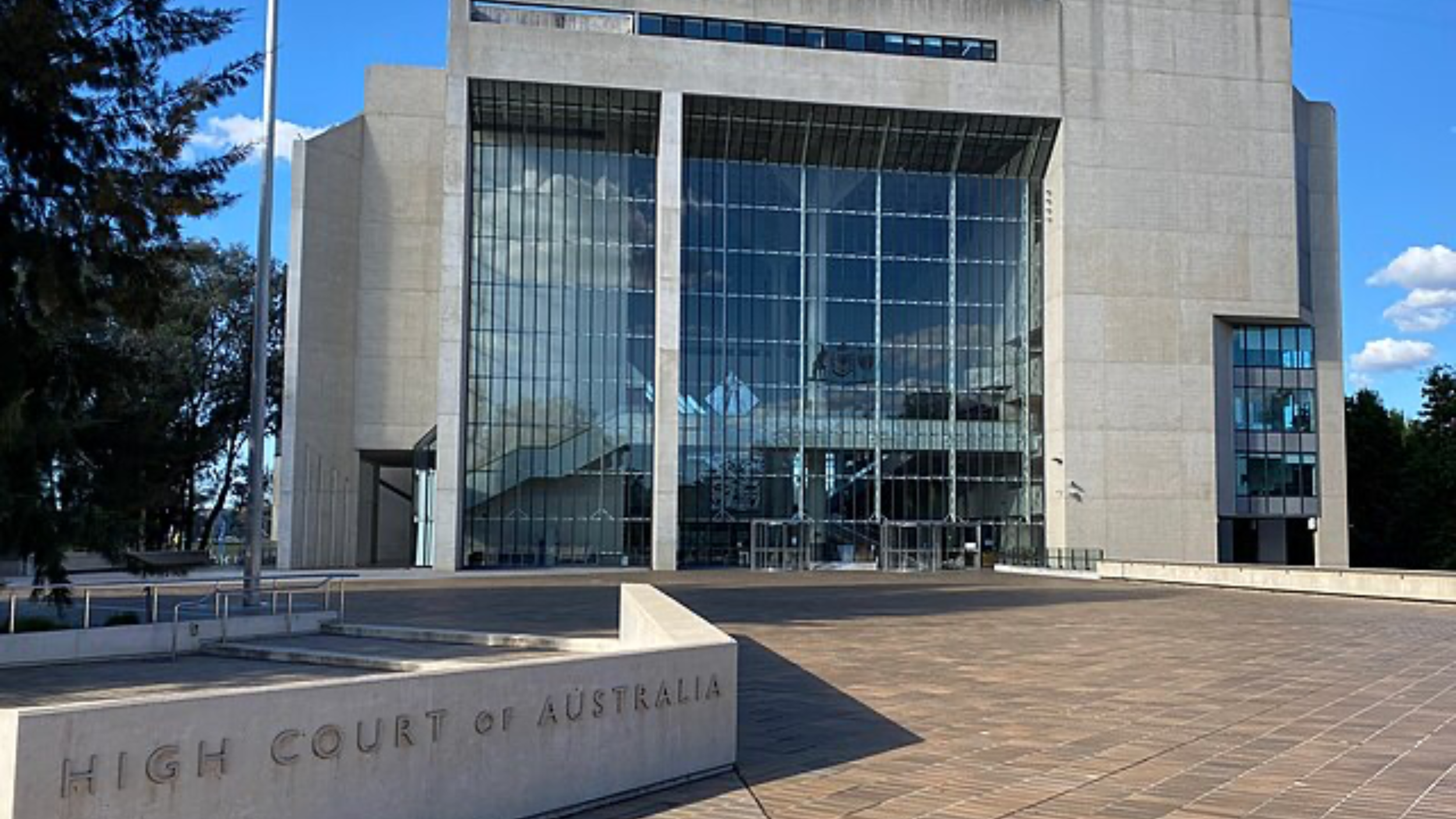
The High Court of Australia | Creative Commons License
On Wednesday, 26 November, Digital Freedom Project announced it had filed proceedings in the High Court to challenge the looming ban, arguing it is “grossly excessive” and trespasses on the “constitutional right of freedom of political communication.”
Digital Freedom Project President John Ruddick, a Libertarian Party member of the New South Wales upper house, said the ban was “disproportionate” and outsourced parental responsibility to “unelected bureaucrats.”
Noah Jones and Macy Neyland, named as the plaintiffs in the legal challenge as ‘representative’ members of the impacted cohort, argue that teens are “true digital natives” who “want to remain educated, robust and savvy in our digital world.”
“We’re disappointed in a lazy government that blanket bans under-16s rather than investing in programs to help kids be safe on social media,” Mr Jones said.
The implied right to freedom of political communication is not absolute and can be subjected to ‘reasonable restrictions’ according to consensus among lawyers.
YouTube, which was initially specially exempted from the proposed ban, criticised the ban, with lawyers for Google suggesting they may also challenge the ban in the High Court.