
How is Australia’s social media ban scrolling?
Australia became the first country to pass a social media ban for young people under 16 years of age. Seven months on, people remain divided as to whether it will work?
In November 2024, Australia entered the international spotlight, becoming the first country to pass a social media ban targeting young people under 16 years of age from signing up for social media.
The ban, which takes effect in December 2025, requires social media platforms such as Instagram and TikTok to take ‘reasonable steps’ to prevent under 16s young people from accessing social media accounts, including civil penalties of up to $50mil for those failing to comply.
But as the December date draws closer, both industry experts and young people are worried that the ban will fail to protect young people and potentially leave them at risk of becoming digitally illiterate.
Context
In May 2024, the South Australian government, with the support of New South Wales, appointed former High Court of Australia Justice Robert French AC to lead an inquiry into the creation of a State social media ban, similar to Florida’s own prohibition.
This followed a media campaign led by News Corp and prominent internet safety advocate Sonya Ryan, who argued social media posed severe threats to young people’s development.
“Like most parents, I am concerned about the impact social media is having on children in our community…we are seeing mounting evidence from experts of the adverse impact of social media on children, their mental health and development,” said Premier Peter Malinauskas.
This policy quickly proved popular, with the Albanese government announcing months later its intention to legislate a nationwide ban, including stricter civil penalties on social media platforms and empowering the eSafety Commissioner to oversee compliance.
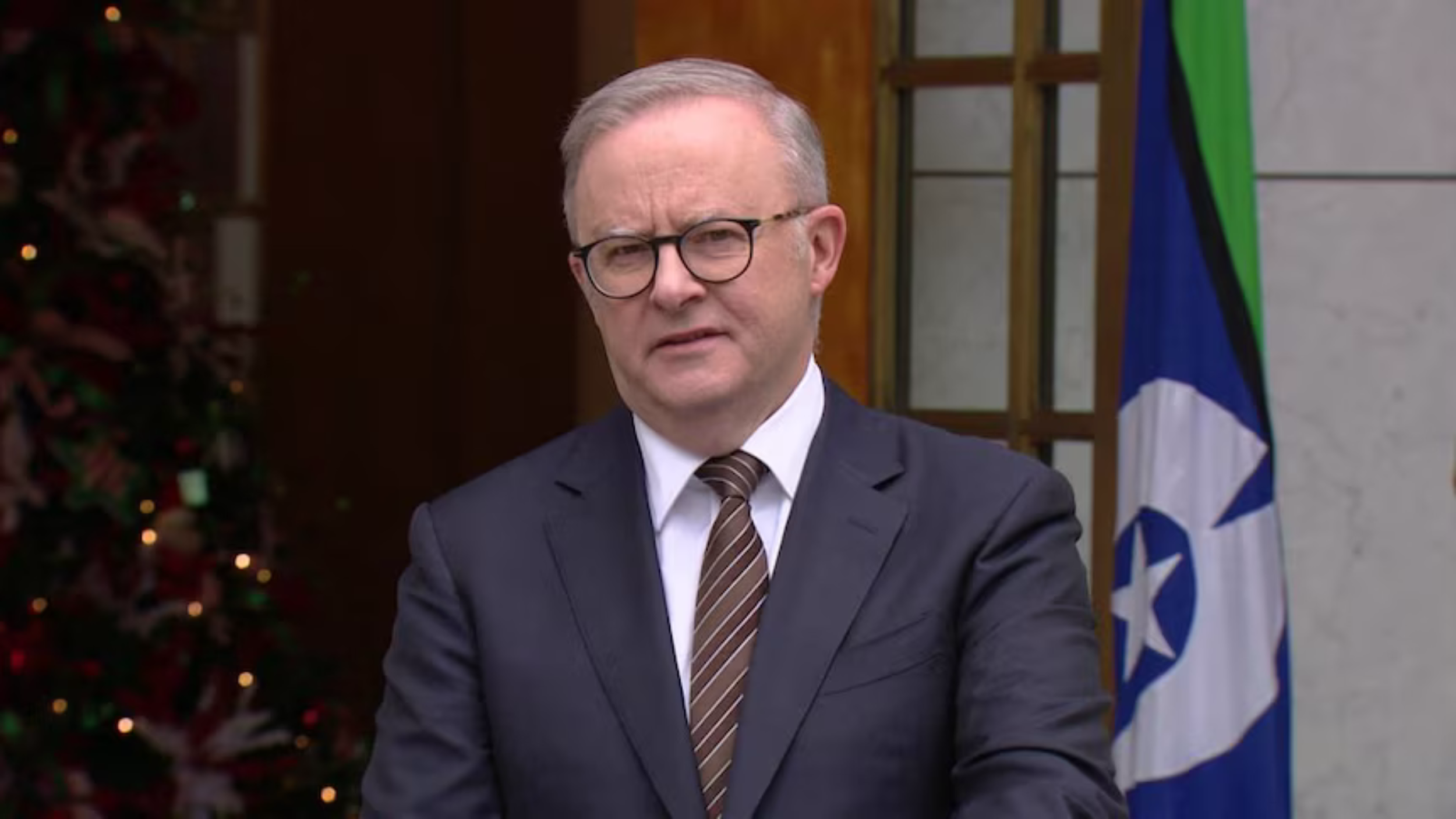
“We know social media is doing social harm, we want Australian children to have a childhood, and we want parents to know the government is in their corner,” said Prime Minister Anthony Albanese.
However, since this announcement, the social media ban’s future remains uncertain; Despite the Albanese government’s landslide re-election in May, successful court challenges to government internet regulation, the re-election of President Donald Trump, and questions over the ban’s actual effect, are causing some to question whether it is necessary.
Technical issues
To enact the social media ban, social media platforms (excluding YouTube) must take ‘reasonable steps’ to implement age verification systems; these platforms are being supported by the Age Assurance Technology Trial (or AATT), an initiative of the Albanese government.
The AATT’s purpose is to develop a uniform age verification system ensuring respect, transparency, accountability, fairness, and privacy for users’ data; its final recommendation is set to be released in the coming weeks.
There are currently two common forms of age verification systems: these include users supplying personal information (e.g., government or credit card information) to a provider, or, more controversially, face scanning technology.
Face scanning technology is a method of age verification that employs artificial intelligence to examine a person’s face, supplied via a photo, which analyses facial features to determine age.
Yet, according to recent media reporting, facial scanning technology has been utilised by the AATT, to mixed results.
According to an ABC report, teenagers as young as 15 years were repeatedly misidentified in their 20s and 30s, with trial technology only able to guess participants’ age within an 18-month range in 85 per cent of cases.
In an interview with the ABC, Lisa Given, Professor of Information Sciences at RMIT University, warned that the low accuracy risk raised serious questions about the system’s effectiveness:
“The accuracy level at 85 is actually quite low, and an 18-month range is significant when you’re trying to identify a very particular age grouping.”
“We are going to see a messy situation emerging immediately where people will have what they call false positives, false negatives,” she said.
Increasing frustrations
Alongside technical issues, the ban’s primary target group, young people, are becoming increasingly frustrated with what they claim is the government’s lack of consultation and understanding of issues impacting young people.
Raghu Vijayan, 17, who is a member of the eSafety Youth Council, believes social media is systemic of wider technological changes in social interaction than a grave social ill to be stopped:
“Each generation has its revolutionary technological development that redefined how people connect, and for ours, it’s social media,” he said.
“It’s more than just scrolling, it’s how we stay connected, raise our voices, learn about the world, and build communities…It gives young people a platform to be heard, to create, and to make change happen”.
Raghu also believes facial scanning technology is not yet ready: “Age assurance and facial scanning technology is not remotely competent to enforce the restrictions and will decrease the societal trust in government and sow seeds of doubt over privacy and safety concerns.”
“Facial scanning technology can be easily manipulated with the addition of glasses, different hairstyles, and even skin conditions,” he said.
Jessica McCall, 24, presenter for BTS with Jess, believes “social media is incredibly important for young creatives” to flourish in online communities and develop their skills.
“It’s not just about promoting their work, it’s where many of them first feel part of a creative community, platforms like Instagram or TikTok are often the first places they share a painting, song, or short film and receive real feedback and encouragement, she said.
“Without that kind of access, young creatives could miss out on promoting their work and the opportunities that help them grow – if they’re not on social media because of a blanket ban, the chances are they’ll just be in their rooms playing video games or watching Netflix”.
Social Media Ban?
Several months on since Mr Albanese declared Australia would implement world-leading legislation banning social media for young people under 16 years of age, this dream continues to remain further away from reality.
In part, this is due to the difficulty of implementing a system which can verify the age of over 20 million people, but also, that the ban appears more like a reaction to news headlines and public perceptions versus than a real drive to resolve problems impacting young people.
Once a young person turns 16, they continue to face all the same threats and challenges faced by 13-year-olds, only that they are less digitally illiterate. As a result, a social media ban operates more as a band-aid solution to a wicked problem.