
A Guide to Australia’s Political Parties
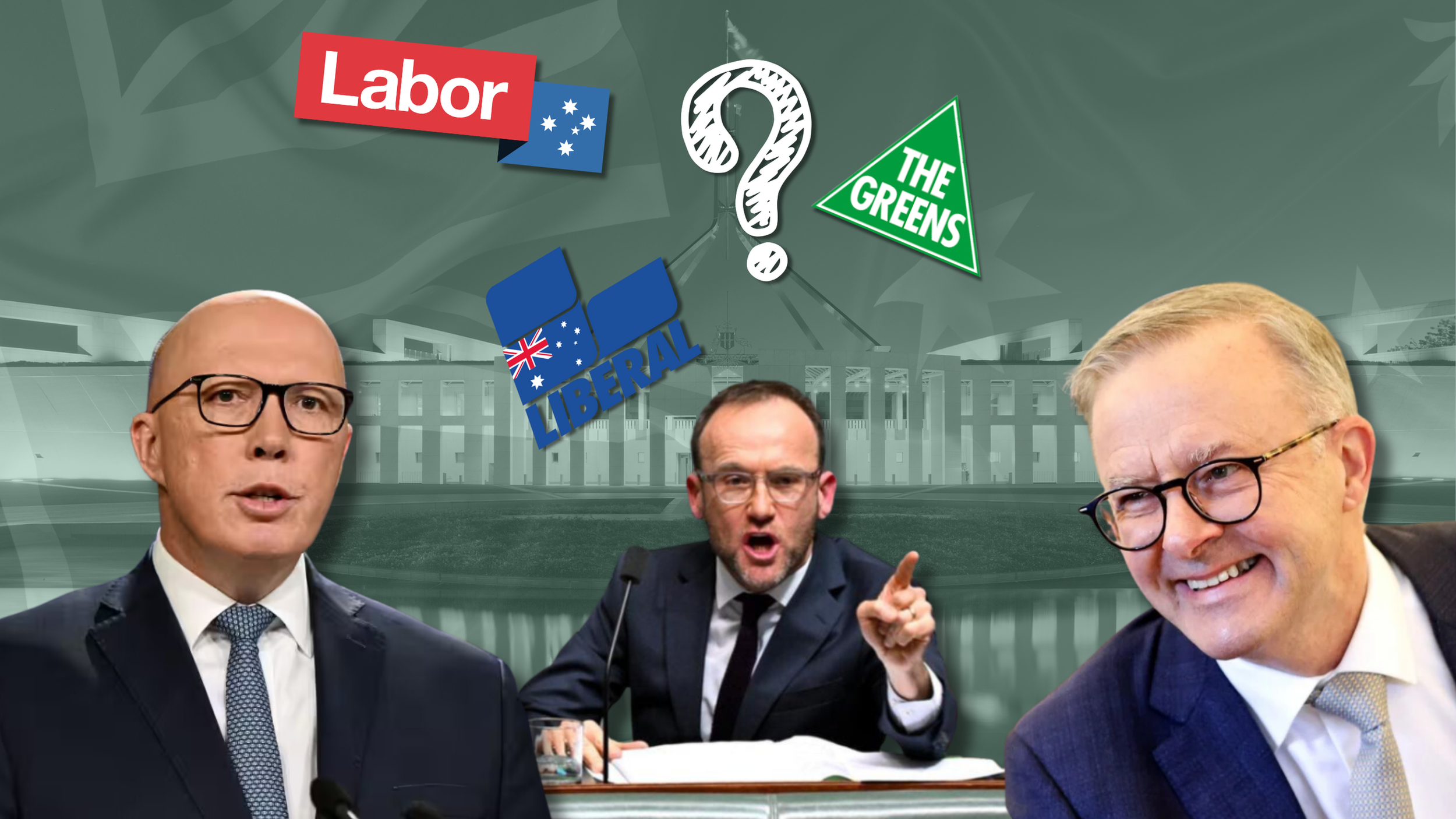
With a Federal election fast approaching, this guide explains who Australia’s political parties are, what they stand for, and how to make sense of Australian politics.
Australia is praised by many spectators for its liberal democracy, which, like its peers in Canada and the United Kingdom, is also home to a range of political parties across the ideological spectrum competing for influence. Voters, by law, must vote for their preferred party (or just vent their frustrations by voting for the party they’re least unhappy with) every three to four years. The lucky party to win the most seats in the House of Representatives of Federal Parliament (preferably by majority) is invited by the Governor-General to form a government which then controls of the national agenda. The leader of the successful party – by the simple act of leading the party – becomes the Prime Minister of Australia.
Since the 2022 Australian Federal Election, Australia has been governed by the centre-left Australian Labor Party and its leader Anthony Albanese. As they have a majority, they decide what laws will be (and what laws won’t be) passed. However, what exactly is the Australian Labor Party? What do terms like ‘centre-left’ actually mean? And most importantly, what do the parties stand for? If these sound like questions you have, don’t worry! This guide will answer these questions, and, leave you with a better understanding of Australia’s political landscape.
Australian Labor Party
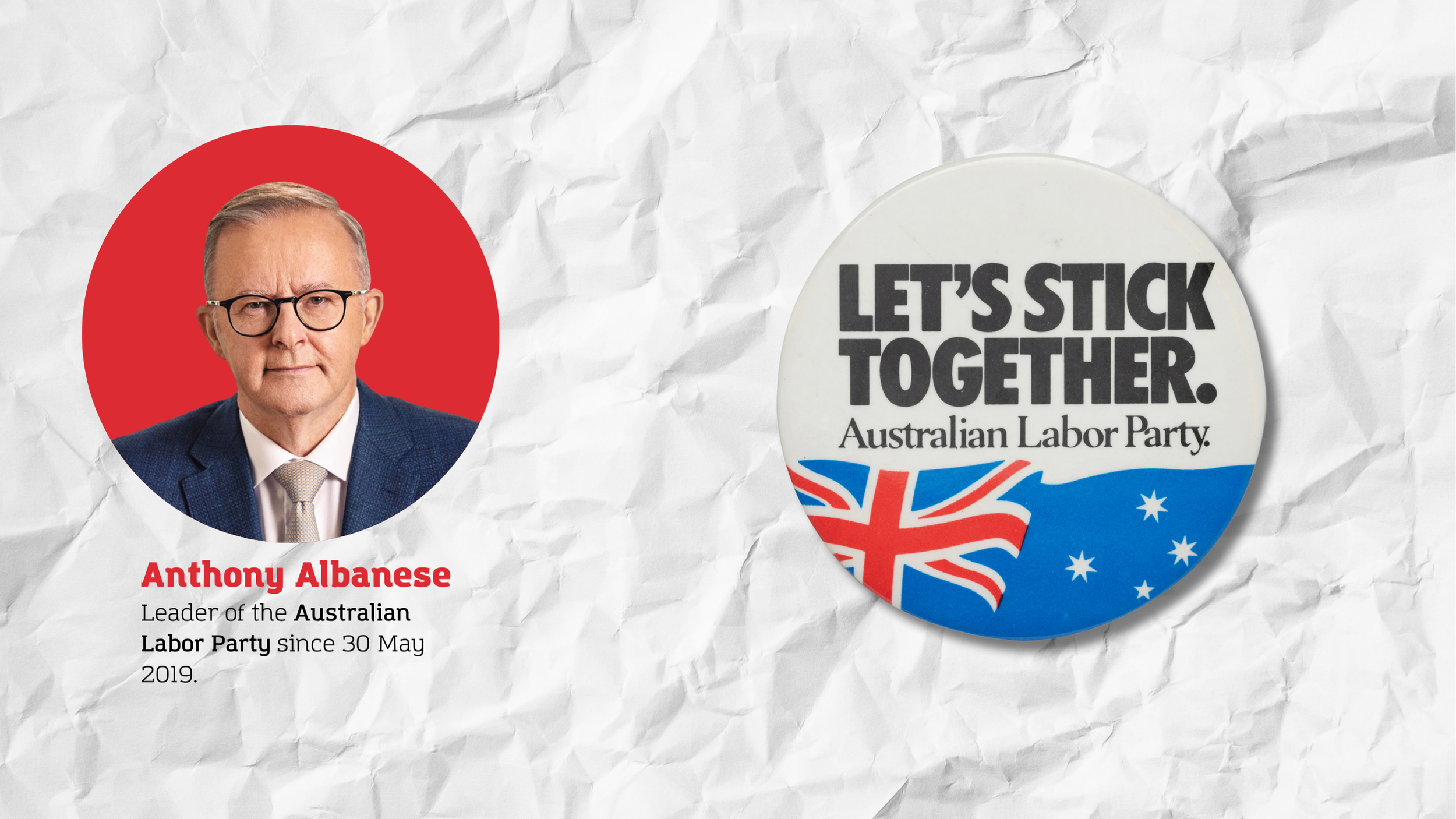
The Australian Labor Party is the current governing party of Australia, led by Prime Minister Anthony Albanese (2022–present). It is Australia’s longest continuous political party. Federal Labor was formed in 1901 to contest Australia’s first Federal Election (achieving third place) but the Labor Party had existed on state-by-state levels during Australia’s late colonial era. Founded by the Australian union movement, the Labor Party has historically occupied the left to centre-left ground in Australian politics, with it seeking to empower the causes of the working people. Throughout the 20th century, the party expanded its base to reach lower- and middle-income families, and most notably introduced many of Australia’s present day social reforms. Since Federation, the party has been elected to office eight times, and is positively remembered for its governing periods under Gough Whitlam and Bob Hawke, which saw substantial changes to Australia’s social and economic fabric.
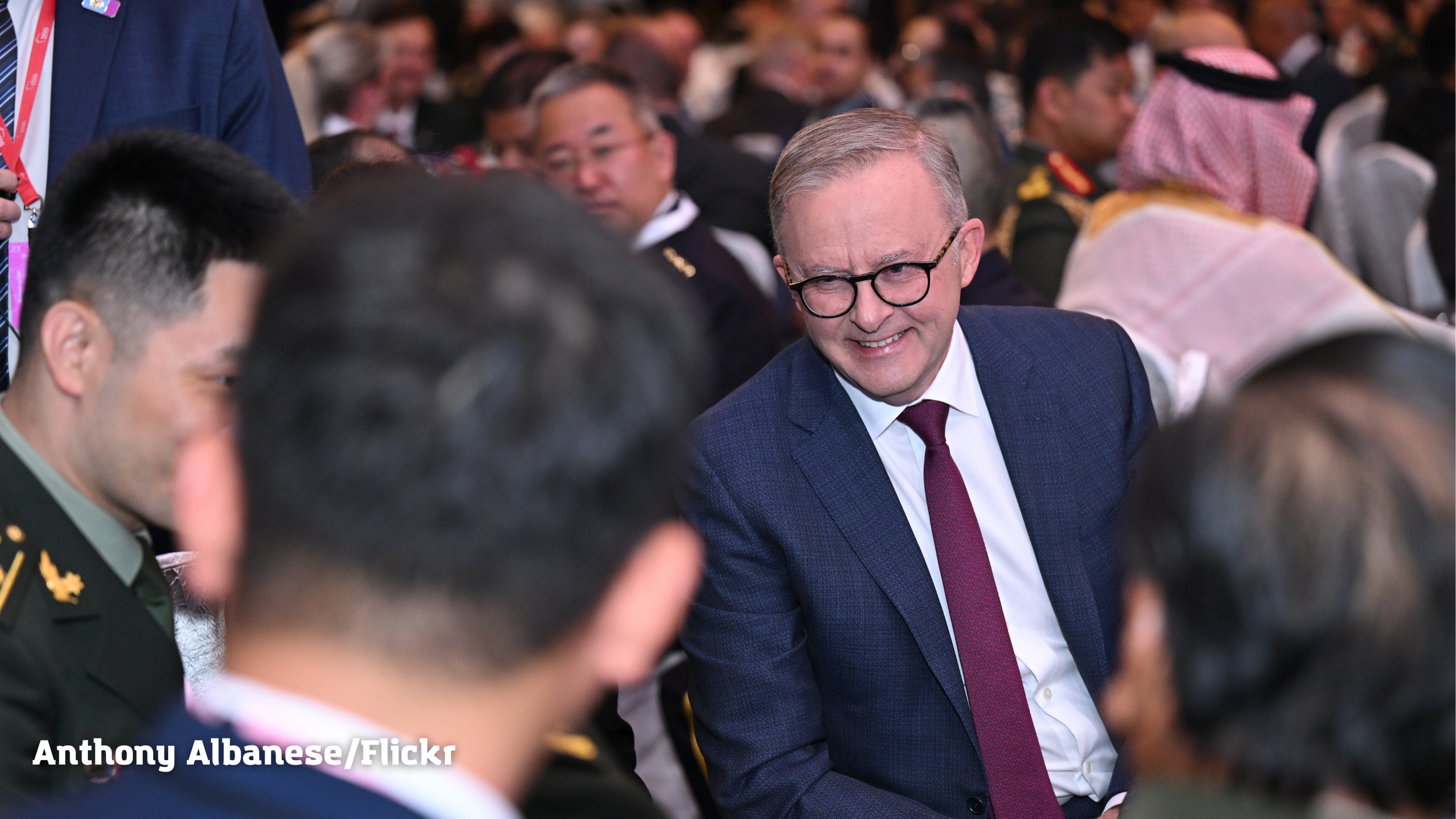
Since the beginning of this century, the Labor Party has portrayed itself as a progressive, but responsible, alternative to its competitors on economic and social issues. Led by party leader Anthony Albanese, the current Labor Party adheres to left of centre values including tackling climate change, addressing the housing crisis, LGBTQI+ rights, rights for workers, and strengthening healthcare and education. The party’s 21stcentury achievements include the National Disability Insurance Scheme (NDIS), successfully navigating the response to the 2008 Global Financial Crisis and, most recently, it’s Future Made in Australia program which seeks to create an Australian green manufacturing industry.
The Labor Party contains two primary political factions – the Labor Left and Labor Right – which differentiate on areas of economic policy. Both wings are often described as being either socially democratic or socially liberal, although the party often prefers to be politically labelled as ‘social democrats’. The Prime Minister, Anthony Albanese, is a member of the Labor Left, while his expected successor, Treasurer Jim Chalmers, is a member of the Labor Right. Regardless of these inner political differences, you can generally expect Labor to support policies that expand education and opportunity and reduce social inequality.
Liberal Party of Australia
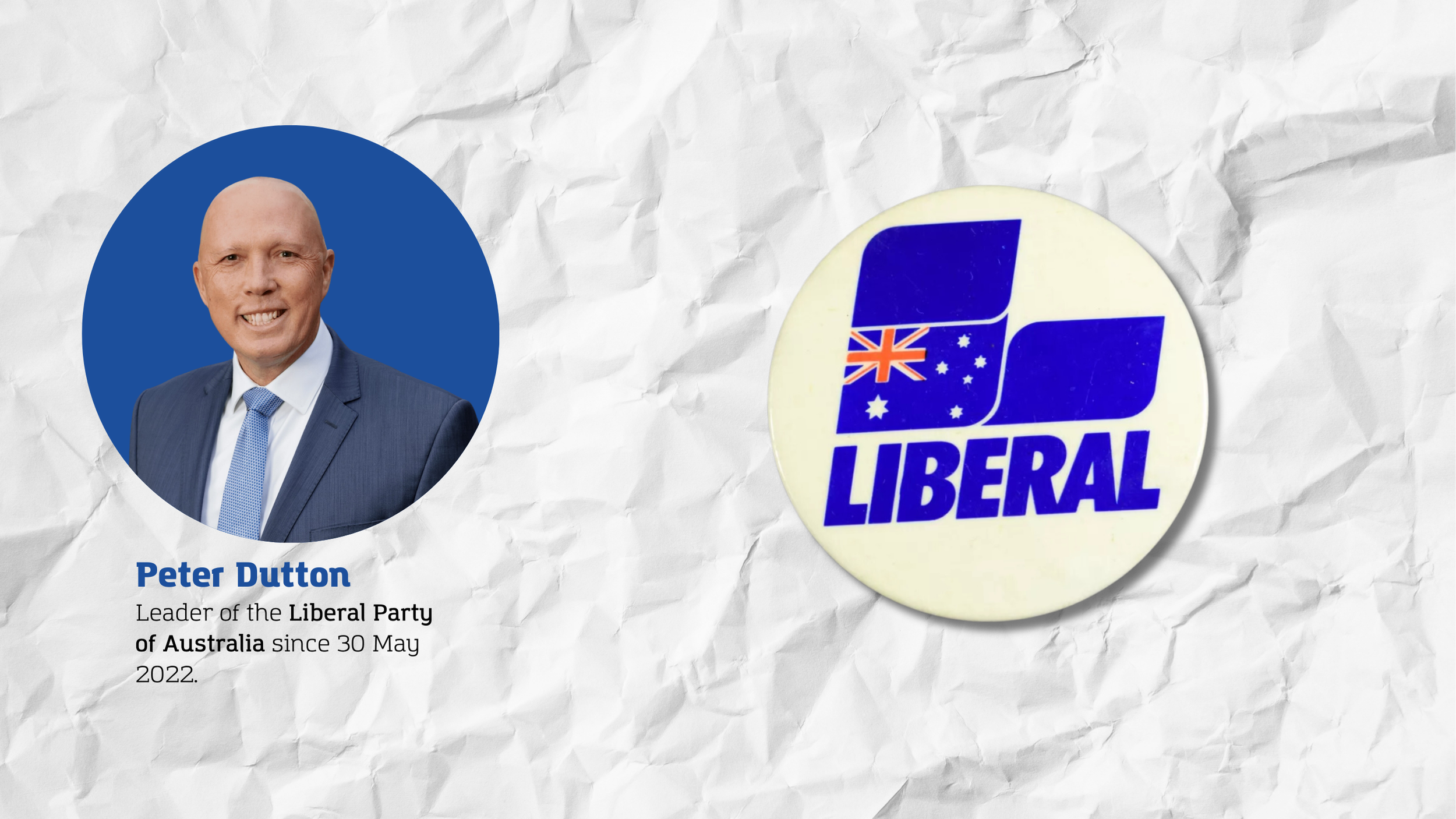
The Liberal Party of Australia (also known as the Coalition in conjunction with its junior partner, the National Party of Australia) is the current opposition in Australia, led by Opposition Leader Peter Dutton(2022–present). It is the most electorally successful party in Australian history. The Federal Liberal Party was formed in 1944 following the collapse of the United Australia Party (UAP) and became the biggest political movement in Australia throughout the 50s and 60s. The party was founded by Sir Robert Menzies, in response to the growing conservatism and business interests within the UAP. The Liberal Party, unlike its preceding conservative faces, aimed to represent a middle ground within Australian politics, and is regarded today as occupying the centre to centre-right. During its first stint in office (1949–1972), the Liberals presided over large increases in Australian living standards, the development of Canberra, Federal university funding, the abolition of the White Australia Policy, the opening of immigration into Australia and the Pharmaceutical Benefits Scheme (‘PBS’). These reforms are viewed as having begun the development of modern Australia. Since the end of World War Two, the Liberals Party has governed Australia for 51 (out of 79) years and is remembered for governing periods under Malcolm Fraser and John Howard.
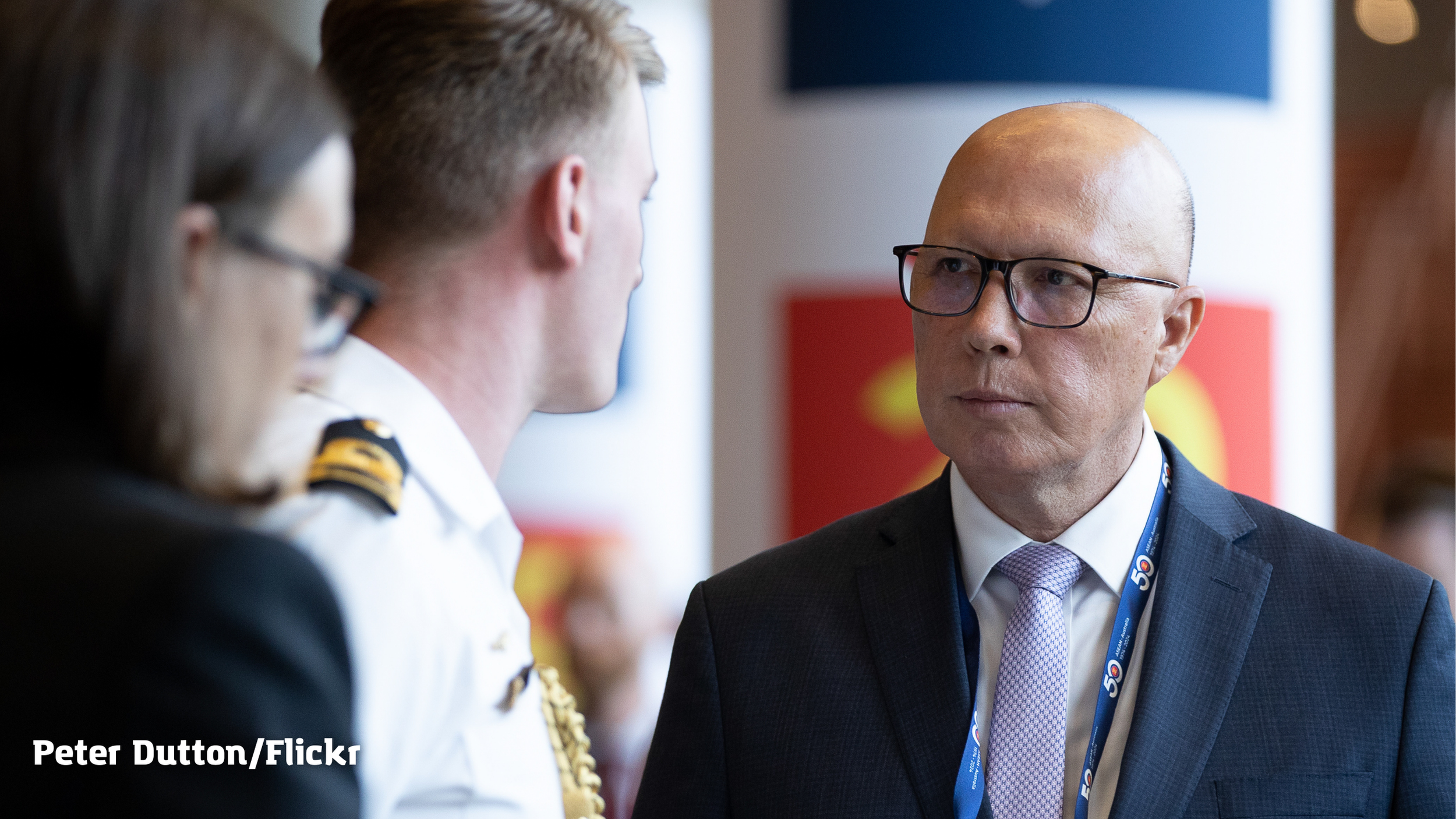
Since the beginning of the century, the Liberal Party has portrayed itself as a sensible and strong voice on economic and social issues in contrast to Labor. Led by Peter Dutton, the current Liberal Party adheres to right of centre values including expanding economic opportunity, strengthening law and order and maintaining national sovereignty. The party has recently adopted energy reform into its political mantra – including the development of nuclear energy in Australia to combat climate change and rising energy costs. The party’s 21stcentury achievements include introduction of GST, the banning of assault weapons, the expansion of trade with China and the development of AUKAS (Australia, United Kingdom and United States security pact). The party recently lost control of all State and Federal government power (excluding Tasmania) between 2023–2024, but has since regained control of the Northern Territory and Queensland.
The Liberal Party likes to broadcast itself as an ‘open church’, willing to hear political opinions from the centre, centre-right and right of the political spectrum. This mantra has been associated to the party’s historical political success, however, became a sticking point during its recent stint in office. Following the fall of Tony Abbott (2013–2015) factional infighting between the moderates and conservatives dogged much of the Turnbull government (2015–2018), ultimately leading to his own downfall from office. The Liberal Party consists of three primary political factions – the Moderates, Centre-Right, and National Right – which differentiate on areas of economic and social policy. Each of the wings can be described being ideologically centrist, socially liberal and socially conservative, although the party as a whole prefers being labelled as the ‘Liberal’ party to appeal to voters that identify somewhere between social democrats and social conservatives. The Opposition Leader, Peter Dutton, is a member of the National Right, which is the largest grouping in the party room. Regardless of these internal differences, generally the Liberals tend to support policies that regulate businesses, strengthen national security and expand law enforcement.
Australian Greens
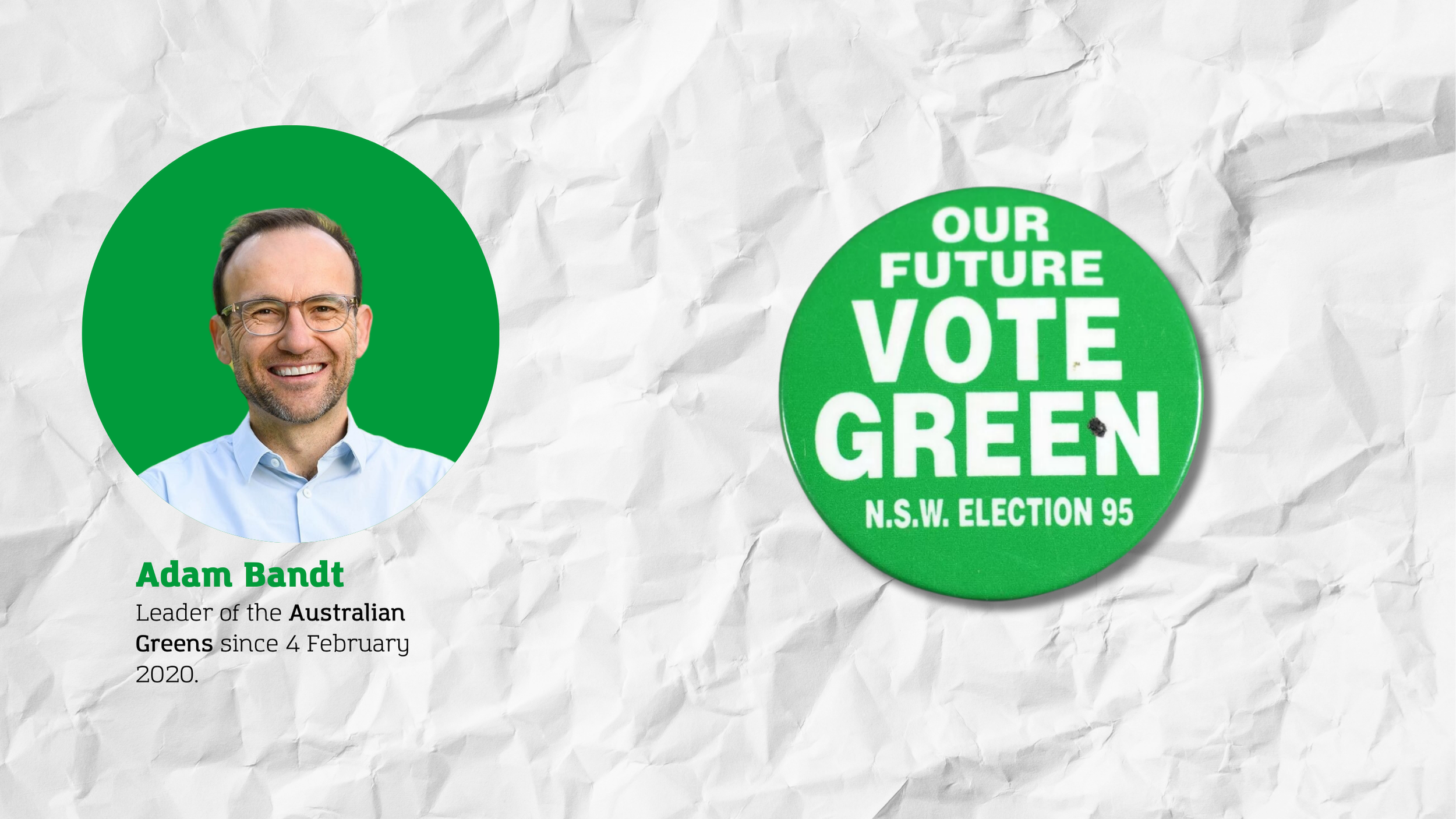
The Australian Greens is a minor party in Australia, led by leader Adam Bandt (2020–present). It is the third largest political party in Australia. The Federal Greens were formed in 1992, following a merger of separate state-based movements to unify and consolidate the third-party vote. The Greens, as a collective movement, originated in the early 1980s in opposition to the Tasmanian Government’s plan to dam multiple locations across the state, alongside other environmental protests in the mainland. The Greens have since grown to represent an alternative progressive ideology and are regarded today as occupying the left to far-left position in Australian politics. The Greens have never held power in Australia (although do cast a deciding vote on legislation in the Senate). But, during the Gillard minority Government (2010–2013) the party agreed to supply confidence and supply to Julia Gillard on the condition of environmental law reform during that term of Parliament, culminating in the Carbon Pricing Scheme.
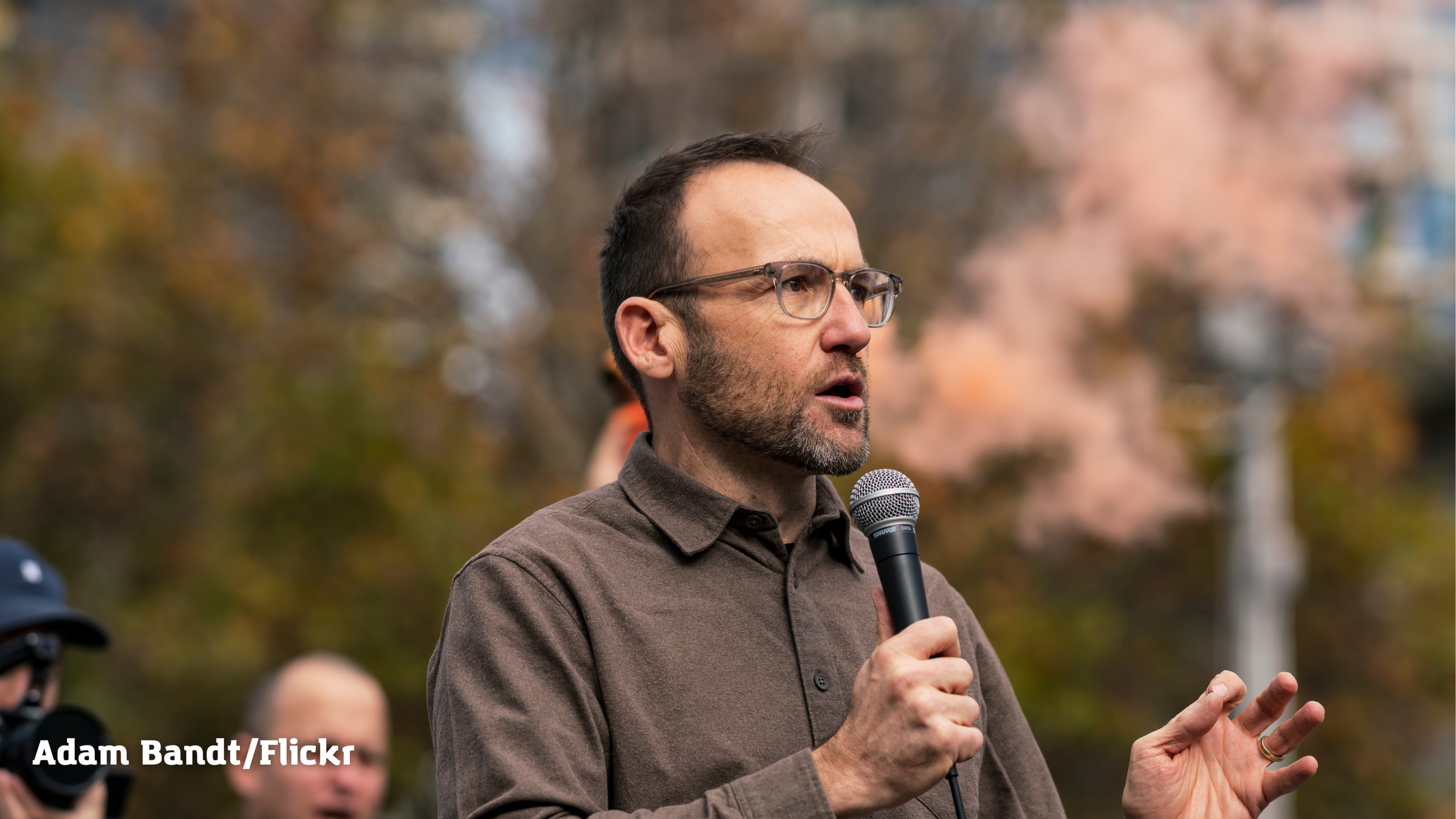
Over the last couple of decades, the Australian Greens have portrayed themselves as an independent progressive alternative against both Labor and the Liberals on economic, social and especially climate issues. Led by party leader Adam Bandt, the current Greens adheres to left of centre values including increasing taxation on the wealthy, greater action on the environment, reducing Australia’s defence ties to the United States and universal healthcare in Australia. The Greens do not have political factions, but you can generally expect the Greens to support policies that strengthen action on climate change, increase taxation on high income classes and expand access to social programs.